Tag: omnichannel marketing statistics

  • 50+ Prime Omnichannel Marketing Statistics (2026): The Ultimate Data-Driven Guide

    Omnichannel marketing is no longer a luxury strategy. It is the foundation of modern customer experience.

    Today’s consumers move seamlessly between devices, platforms, and physical locations before making a purchase. A customer may discover a brand on social media, research it on a mobile website, compare prices on a laptop, and complete the purchase in a physical store.Businesses that fail to connect these touchpoints risk losing customers to competitors that provide smoother experiences.That is why marketers are increasingly turning to data-driven omnichannel strategies. 

    This guide compiles 50+ omnichannel marketing statistics by critically analyzing research from MoEngage, Firework, Iterable, Emarsys, ContactPigeon, and other market sources.These omnichannel marketing statistics reveal how consumers behave, how businesses are adapting, and where the biggest growth opportunities lie.If you want to understand the future of customer engagement, these numbers tell the story.

    Omnichannel Marketing Adoption Statistics (Omnichannel Marketing Statistics)

    The first set of omnichannel marketing statistics shows how quickly businesses and retailers are adopting omnichannel strategies.

    1. Around 90% of retail leaders say omnichannel strategies are critical for business success.(Source)
    2. 85% of North American retailers already use omnichannel strategies in their operations.(Source)
    3. Over 60% of consumers now participate in omnichannel shopping journeys.(Source)
    4. 73% of retail shoppers use multiple channels during their purchasing journey.(Source)
    5. The number of global omnichannel users is expected to reach 4.5 billion by 2025.(Source)
    6. 87% of business owners believe connecting with customers across channels is essential.(Source)
    7. Nearly 76% of customers expect consistent interactions across departments and channels.(Source)
    8. Around 74% of consumers use multiple channels to complete a transaction.(Source)
    9. The average shopper now interacts with nearly six touchpoints before making a purchase.(Source)
    10. More than 64% of marketers say lack of resources is their biggest omnichannel challenge.(Source)

    Key insight:
    Omnichannel marketing has shifted from optional to essential. Businesses that fail to integrate channels risk losing competitive advantage.

    Consumer Behavior Omnichannel Marketing Statistics

    These omnichannel marketing statistics explain how consumers interact with brands across channels.

    1. 98% of Americans switch between devices in a single day.(Source)
    2. Consumers typically use three devices to complete one task online.(Source)
    3. 74% of consumers research products online before visiting a store.(Source)
    4. About 75% of shoppers check product availability online before visiting a store.(Source)
    5. Around 60% of those shoppers purchase the product once they arrive at the store.(Source)
    6. 56% of shoppers visit stores to see or touch items before buying online.(Source)
    7. Approximately 43% of shoppers use smartphones while inside a physical store.(Source)
    8. 50% of consumers compare prices on smartphones while shopping in-store.(Source)
    9. Over 82% of consumers research products on their phone before visiting stores.(Source)
    10. The average shopper uses 3.4 channels during a single purchase journey.(Source)

    Key takeaway:
    Modern customers do not distinguish between online and offline shopping — they see it as one seamless experience.

    Channel Usage Omnichannel Marketing Statistics

    Understanding channel usage is crucial to building effective omnichannel strategies.

    1. Email is used by 82.4% of B2C marketers, making it the most popular channel.(Source)
    2. 73.5% of marketers consider email the most effective marketing channel.(Source)
    3. 66.7% of marketers use social media in omnichannel strategies.(Source)
    4. 58% of marketers use mobile websites as a core channel.(Source)
    5. 52.7% of marketers rely on desktop websites.(Source)
    6. 51.6% of companies use mobile apps for omnichannel engagement.(Source)
    7. WhatsApp marketing adoption increased from 13.5% to 34.8% in one year.(Source)
    8. Only 26.9% of marketers actively use offline channels.(Source)
    9. Desktop push notifications are used by only 16.5% of marketers.(Source)
    10. 58% of shoppers discover products through social media ads.(Source)

    Insight:
    Email, social media, and mobile apps remain the core pillars of omnichannel marketing.

    Revenue & ROI Omnichannel Marketing Statistics

    The most compelling omnichannel marketing statistics focus on revenue growth and ROI.

    1. Omnichannel campaigns using three or more channels achieve 287% higher purchase rates.(Source)
    2. Brands with strong omnichannel strategies see 9.5% annual revenue growth.(Source)
    3. Companies with weak omnichannel strategies grow revenue by only 3.4% annually.(Source)
    4. 70% of marketers report improved ROI from omnichannel marketing.(Source)
    5. Omnichannel strategies can increase average order value by 13%.(Source)
    6. Omnichannel shoppers have 30% higher lifetime value than single-channel shoppers.(Source)
    7. Businesses using omnichannel strategies see 11% year-over-year revenue growth.(Source)
    8. Omnichannel marketing can generate 80% more in-store visits.(Source)
    9. Omnichannel shoppers spend 4% more per store visit.(Source)
    10. 23% of customers make repeat purchases after experiencing synchronized channels.(Source)

    Key insight:
    The financial case for omnichannel marketing is overwhelming. Businesses that integrate channels drive higher revenue and customer lifetime value.

    Retail & Commerce Omnichannel Marketing Statistics

    Retail has been one of the biggest beneficiaries of omnichannel strategies.

    1. 77.2% of major retailers offer Buy Online Pick Up In Store (BOPIS).
      (Source)
    2. 50% of consumers prefer BOPIS services.
      (Source)
    3. 67% of BOPIS shoppers make additional purchases during pickup.
      (Source)
    4. Around 72 million Americans used curbside pickup in the past year.
      (Source)
    5. 25% of U.S. consumers use curbside pickup services.
      (Source)
    6. Click-and-collect retail sales are expected to reach $154 billion in the U.S..
      (Source)
    7. 55% of consumers have purchased products directly through social media.
      (Source)
    8. About 80% of retail purchases still occur in physical stores despite digital growth.
      (Source)
    9. 93.3% of consumers now shop using both digital and physical channels.
      (Source)
    10. More than 56% of omnichannel shoppers use retailer apps and websites to plan purchases.
      (Source)
    11. Businesses using omnichannel strategies retain 89% of their customers, compared with 33% retention for companies without omnichannel engagement.
      (Source)
    12. Omnichannel customers spend 30% more than single-channel shoppers.
      (Source)
    13. Around 80% of consumers use multiple channels before completing a purchase.
      (Source)
    14. 58% of shoppers combine online research with in-store purchasing when making buying decisions.
      (Source)
    15. Approximately 46% of omnichannel shoppers recommend brands to others after positive experiences.
      (Source)
    16. 60% of consumers become repeat customers after experiencing personalized omnichannel interactions.
      (Source)
    17. About 81% of customers want brands to understand the right time to contact them.
      (Source)
    18. 90% of consumers find personalized marketing experiences appealing.
      (Source)
    19. Personalized calls-to-action deliver 202% higher conversion rates compared to generic CTAs.
      (Source)
    20. Advanced personalization strategies can generate 5–8× return on marketing investment.
      (Source)

    Marketing Technology & AI Omnichannel Statistics (Omnichannel Marketing Statistics)

    These omnichannel marketing statistics highlight the role of technology and automation.

    1. 79.3% of B2C marketers plan to increase investment in marketing technology to improve omnichannel customer experiences.
      (Source)
    2. 31% of marketers say integrated marketing technology is the most important component of omnichannel strategies.
      (Source)
    3. 30.8% of marketers list integrating online and offline interactions as a top business priority.
      (Source)
    4. 51.9% of B2C marketers say improving customer engagement and loyalty is their top omnichannel goal.
      (Source)
    5. Only 6.9% of marketers still rely on spreadsheets and manual processes to manage omnichannel campaigns.
      (Source)
    6. The number of marketers not using AI in omnichannel strategies dropped from 22.8% to just 4.6% in one year.
      (Source)
    7. 55.2% of marketers personalize messages based on customer behavior and interactions.
      (Source)
    8. 48.4% of marketers personalize marketing based on demographic data such as age and location.
      (Source)
    9. Around 23.6% of marketers say reconciling digital and offline data is their biggest omnichannel challenge.
      (Source)
    10. 31.6% of marketers report limited analytics and measurement capabilities as a barrier to omnichannel success.
      (Source)

    Final Analysis: What These Omnichannel Marketing Statistics Mean

    These 50+ omnichannel marketing statistics reveal a clear shift in how consumers interact with brands.

    Three major conclusions emerge from the data:

    1. Omnichannel Is Now the Standard

    Consumers no longer shop through a single channel.
    They move fluidly between digital and physical environments.

    2. Personalization Drives Engagement

    Customers expect brands to remember their preferences across devices and channels.

    3. Businesses That Integrate Channels Win

    Companies with strong omnichannel strategies outperform competitors in revenue growth, customer loyalty, and purchase rates.

    Conclusion (Omnichannel Marketing Statistics)

    The data is clear: omnichannel marketing is shaping the future of commerce.

    From device switching to buy-online-pick-up-in-store services, today’s customers expect seamless experiences across every touchpoint.

    Businesses that invest in omnichannel marketing will gain stronger customer loyalty, higher conversion rates, and better long-term revenue growth.

    These omnichannel marketing statistics demonstrate that the future of marketing is not single-channel or even multichannel — it is fully integrated omnichannel engagement.


  • 61 Omnichannel Marketing Statistics In 2025 That Will Blow Your Mind

    61 Omnichannel Marketing Statistics In 2025 That Will Blow Your Mind

    Omnichannel Marketing Statistics

    Here are 61 Omnichannel marketing statistics to help you in 2025 and beyond

    What is Omnichannel? (Omnichannel marketing statistics)

    In today’s digital age, customers expect a seamless and personalized experience across all touchpoints of their buying journey. This is where omnichannel comes in.

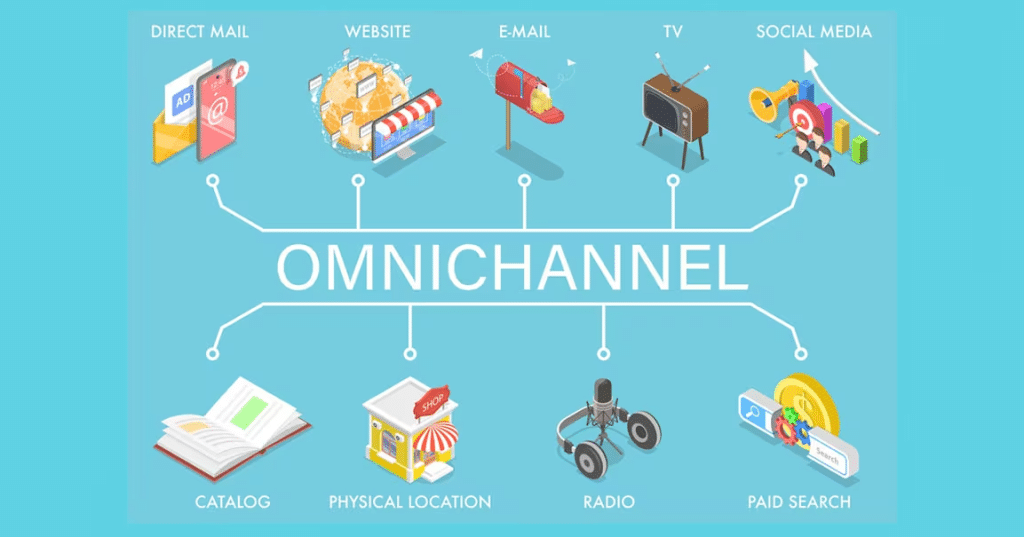
    Omnichannel refers to a multi-channel approach to marketing, selling, and serving customers in a way that creates a seamless and integrated customer experience. It involves providing a consistent and personalized experience across all channels, including websites, mobile apps, social media, email, chat, and brick-and-mortar stores.

    The goal of omnichannel is to create a seamless and integrated customer journey that meets the needs and expectations of customers, regardless of the channel they choose. This approach recognizes that customers may use multiple channels during their buying journey and aims to provide a consistent and personalized experience across all of them.

    By implementing an omnichannel strategy, businesses can improve customer satisfaction, increase loyalty, and drive revenue. In fact, according to a study by Harvard Business Review, companies with omnichannel customer engagement strategies retain on average 89% of their customers, compared to 33% for companies with weak omnichannel customer engagement.

    Omnichannel Marketing Statistics

    1. Focus on Customer Experience: Omnichannel retail is all about creating a smooth and unified shopping journey for customers, no matter how they choose to interact with your brand – in-store, online, or mobile.
    2. Breaking Down Silos: Omnichannel retailing breaks down barriers between different sales channels. It ensures a consistent experience for customers, whether they’re browsing online or visiting your physical store.
    3. A Unified Shopping Journey: Think of omnichannel retail as creating a single, seamless shopping experience for your customers. They can seamlessly transition between online browsing, mobile app purchases, and in-store interactions.

    Highlights of Omnichannel Marketing Statistics:

    Omnichannel Marketing Statistics
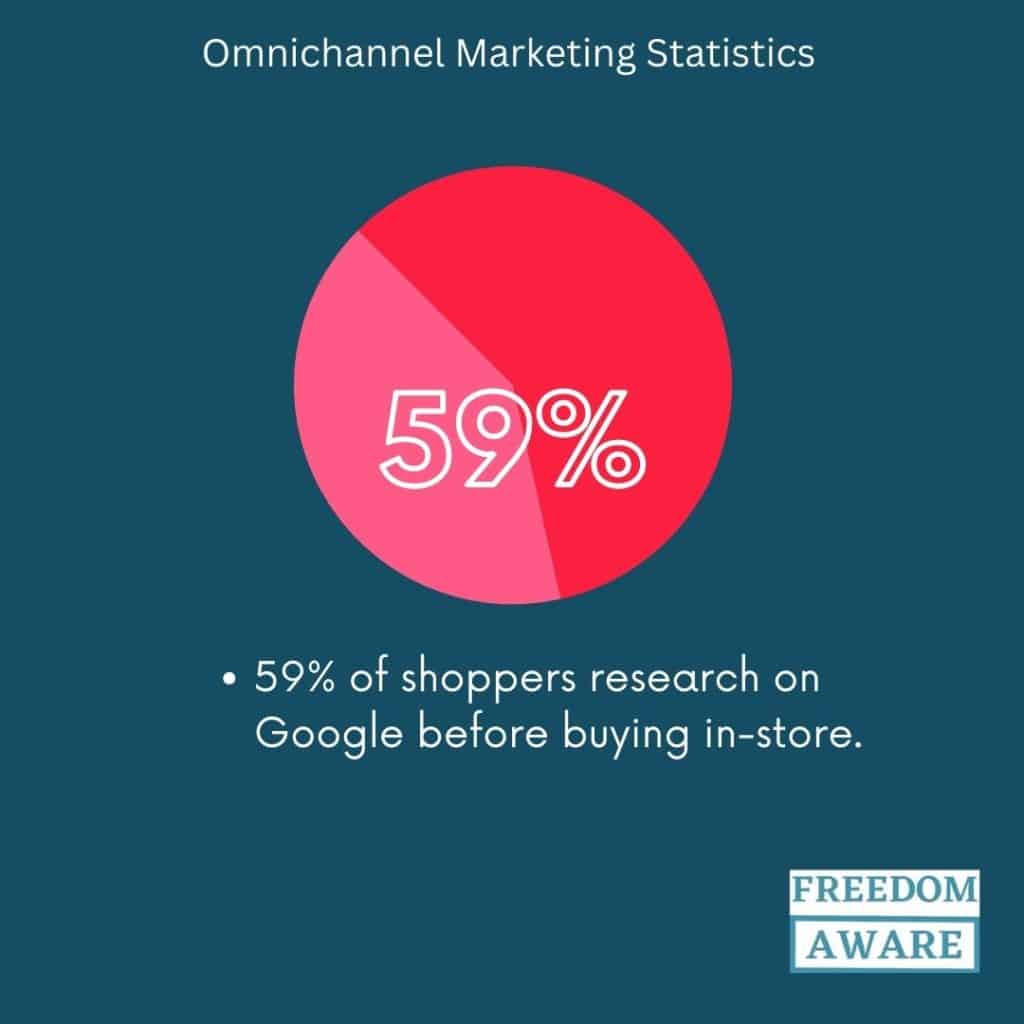
    1. 59% of shoppers research on Google before buying in-store. Businesses need a strong online presence and search visibility to reach them early. (Source)
    2. Multichannel engagement boosts loyalty (89% retention). Weak channels lead to churn (33% retention). (Source)
    3. Omnichannel vs. Siloed: 90% of customers crave a smooth experience. Embrace omnichannel or risk falling behind. (Source)
    4. Heads up, retailers! 85% of online shoppers switch devices mid-purchase. Optimize your cross-device experience. (Source)
    5. As of 2022, the total value of the global omni-channel market is estimated to be $5.57 billion, and it is projected to grow at a compound annual growth rate (CAGR) of 14.53% from 2022 to 2029. (Source)
    6. Omnichannel vs. Single Channel: See a 287% jump in purchase rates by implementing a multi-channel marketing strategy. (Source)
    7. Most marketers, or 92%, use multiple channels in their marketing efforts to achieve better results. This indicates that an integrated, cross-channel approach has become a standard best practice in the marketing industry. (Source)
    8. During a survey of 1000 shoppers, it was found that more than half, or 57%, admitted to accessing a retailer’s website or mobile app while physically present in the store. This behavior, often referred to as “webrooming,” highlights the importance of a consistent and integrated online experience for retailers. (Source)
    9. Implementing an omnichannel marketing strategy can significantly improve customer retention rates compared to a single-channel approach. Specifically, businesses using omnichannel marketing have been found to have a 90% higher customer retention rate than those using only one channel. (Source)
    Omnichannel Marketing Statistics
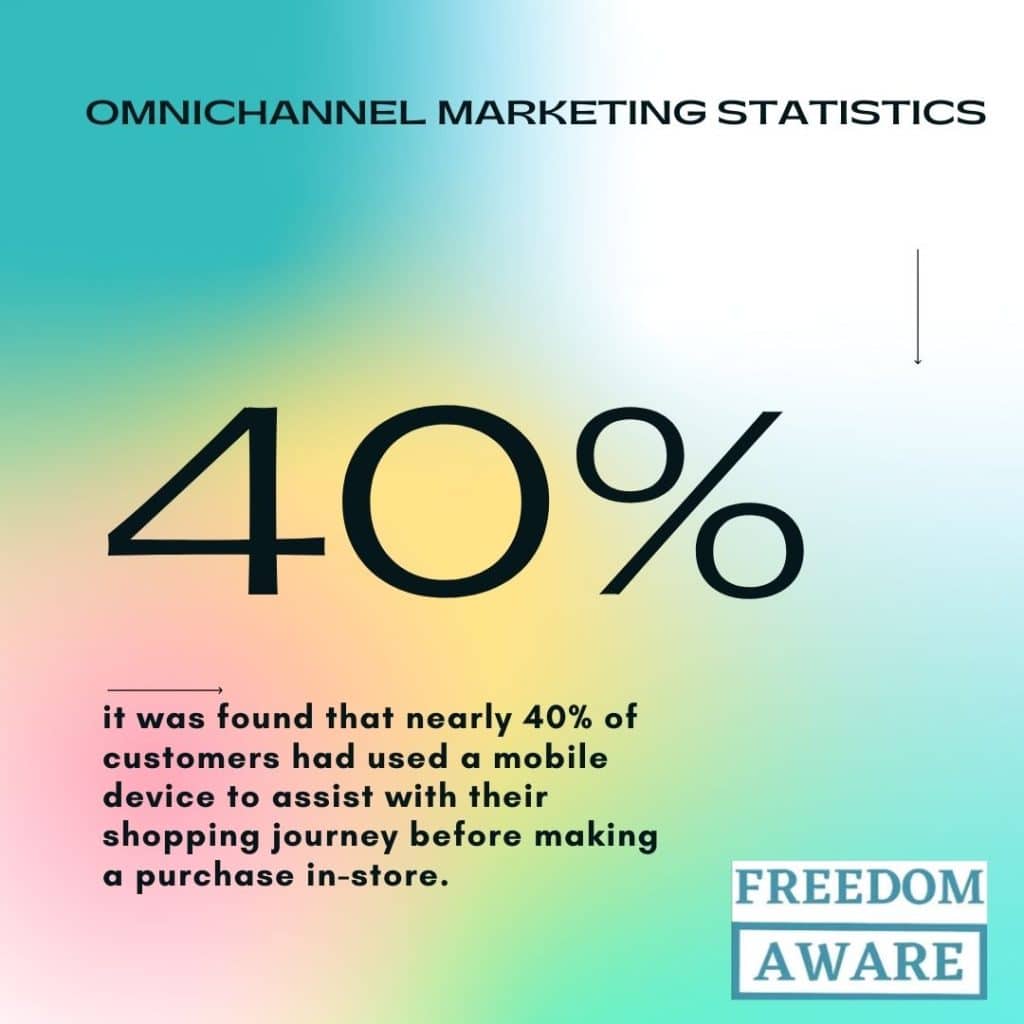
    1. During a study of traditional brick-and-mortar stores, it was found that nearly 40% of customers had used a mobile device to assist with their shopping journey before making a purchase in-store. This behavior, known as “showrooming,” highlights the importance of a strong mobile presence and the integration of digital channels into the in-store experience for retailers. (Source)
    2. Boost revenue and win customer loyalty with omnichannel: Businesses that embrace this approach are 3 times more likely to see a significant revenue jump and 4 times more likely to experience consistently high levels of customer satisfaction and loyalty compared to those that don’t. (Source)
    Omnichannel Marketing Statistics
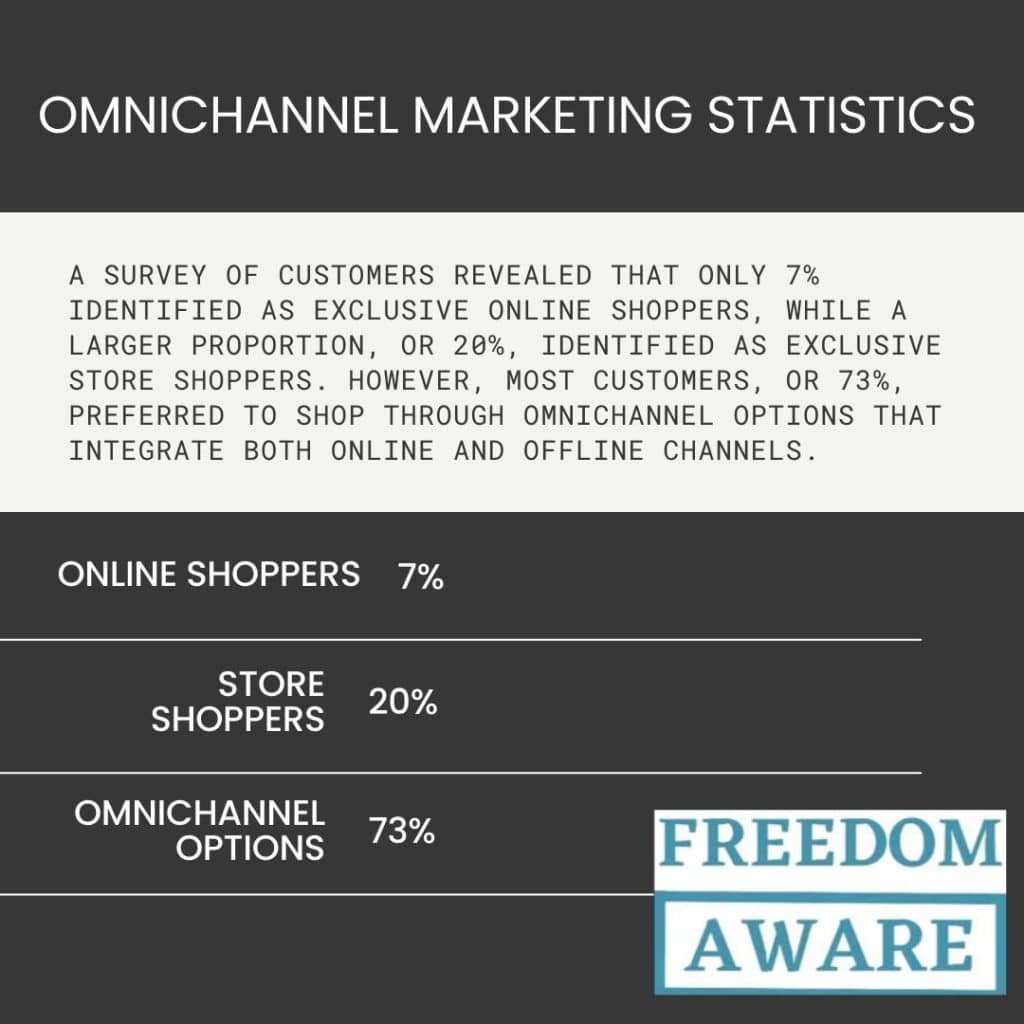
    1. A survey of customers revealed that only 7% identified as exclusive online shoppers, while a larger proportion, or 20%, identified as exclusive store shoppers. However, most customers, or 73%, preferred to shop through omnichannel options that integrate both online and offline channels. (Source)
    2. According to a survey of e-commerce companies in Europe and North America, nearly half, or 47%, agreed that an omnichannel marketing campaign is a significant factor in their marketing strategy. This suggests that omnichannel marketing is a growing trend and a key consideration for businesses in these regions. (Source)
    3. A significant majority of customers, or 69%, expect a uniform and uninterrupted brand experience across various digital and in-person channels. This highlights the importance of consistent and cohesive content and messaging in building a strong and recognizable brand identity. (Source)
    4. A substantial proportion of customers, or 77%, are more inclined to increase their spending with brands that they feel comfortable and at ease with. This suggests that building a positive and trusting relationship with customers can have a significant impact on their purchasing behavior and loyalty. (Source)
    5. Three significant challenges in implementing an effective omnichannel marketing strategy are restricted access to data, inaccurate marketing attribution, and violations of customer privacy. These challenges highlight the importance of investing in robust data management systems, implementing transparent and ethical marketing practices, and prioritizing customer trust and security to execute an omnichannel marketing strategy successfully. (Source)
    6. Mobile Shopping Boom:  Over half of internet users prefer to shop on their phones, and nearly 80% have made a mobile purchase in the past six months. The message is clear: mobile commerce is taking over! Businesses that optimize the mobile shopping experience are sure to win. (Source)
    7. Omnichannel personalization is gaining ground: A 2021 survey shows that 35% of businesses have successfully implemented it. This is promising, but there’s significant room for future growth and innovation in creating seamless, personalized customer experiences. (Source)
    8. Digital Sales Boom: B2B buyers are driving demand! A significant 20% are willing to invest heavily, creating a major opportunity for digital sales solutions. (Source)
    Omnichannel Marketing Statistics
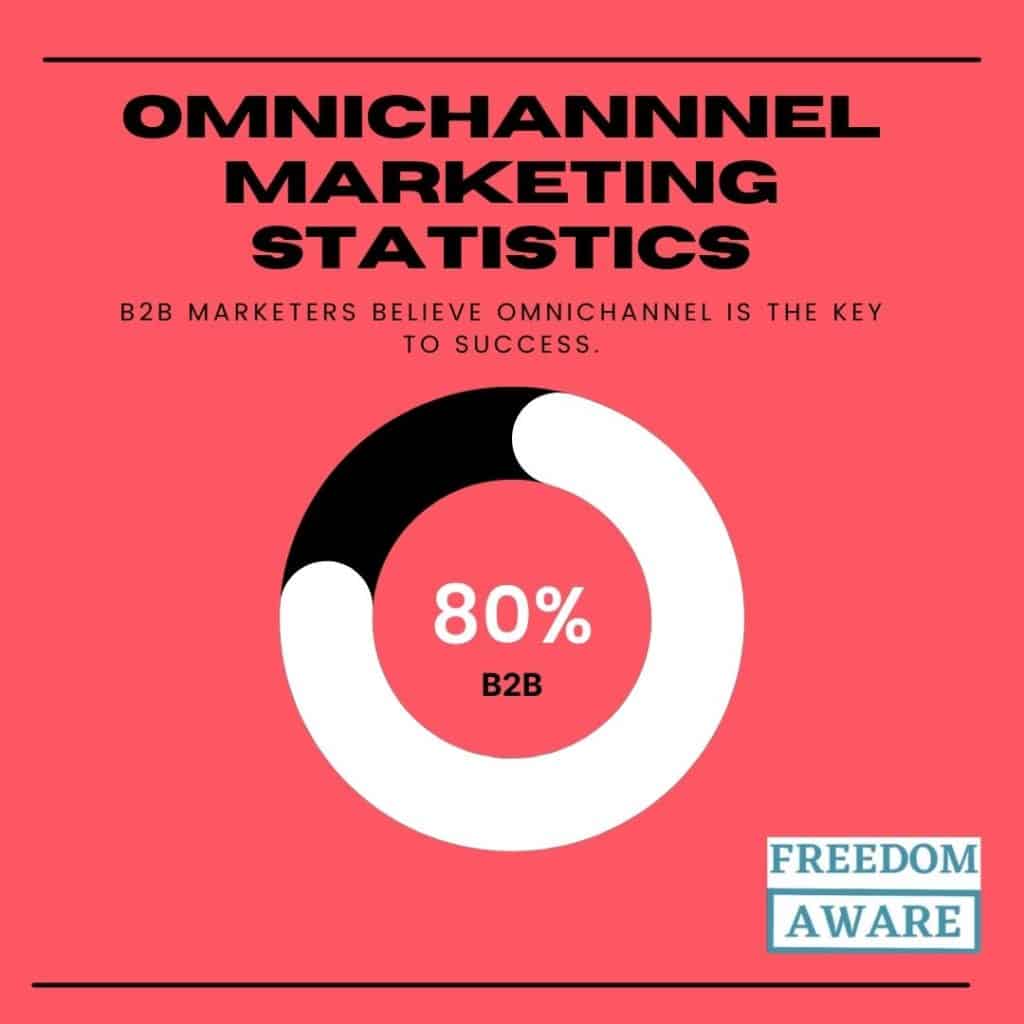
    1. Forget Siloed Marketing: A whopping 80% of B2B marketers believe omnichannel is the key to success.(Source)
    2. Focus on mobile commerce growth: Mobile commerce is on the rise! Projections suggest it will account for a whopping 40.4% of all e-commerce sales by 2024. (source)
    3. Focus on the rise of mobile payments: The way we pay is changing! By 2025, mobile transactions are expected to reach 10.4% of all retail purchases. (source)
    4. Emphasize customer journey: Forget channel silos! Omnichannel marketing creates a unified customer journey. Customers can move between online and offline touchpoints with ease, ultimately leading to a purchase. (source)
    5. Highlight channel fluidity: Forget channel barriers! Omnichannel marketing creates a frictionless experience. Customers can hop between different touchpoints (website, social media, app) with ease, ensuring a smooth path to purchase. (Source)
    6. Smart omnichannel engagement pays off in a big way: Businesses that prioritize it achieve a remarkable 9.5% annual revenue increase, compared to just 3.4% for those struggling with omnichannel strategies. (Source)
    7. Focusing on efficiency: Omnichannel marketing makes you more efficient! According to research, solid omnichannel strategies can lead to a 7.5% decrease in yearly cost per contact. (Source)
    8. Highlighting the gap: The omnichannel opportunity gap is wide! Despite its benefits, research shows only 11% of organizations claim to have a well-developed omnichannel strategy in place. (Source)
    9. Focus on the data gap: Data silos hinder omnichannel success! Only 48% of less effective omnichannel companies collect customer data across various channels, compared to a stellar 77% for high performers. (Source)
    10. Highlight the dramatic increase: Multi-channel marketing is a game-changer! Companies that leverage three or more channels see their order rates skyrocket by a staggering 494%. (Source)
    11. Omnichannel results that speak for themselves! Target’s 2020 performance is a testament to the effectiveness of omnichannel retail. Their sales grew by 24.3% overall, with digital sales experiencing a phenomenal 195% increase. (Source)
    12. Target’s stores: the hidden heroes of online sales! Interestingly, during this period, Target’s physical stores fulfilled over 75% of their online orders, showcasing the crucial role stores play in their omnichannel strategy. (Source)
    13. Omnichannel marketing is a sales powerhouse! Compared to single-channel campaigns, it can boost your purchase rate by a staggering 287%. (Source)
    14. Focusing on pre-shopping research: Online inventory checks are a popular trend! A significant portion of shoppers (46%) do their research online before visiting a store in person. (Source)
    Omnichannel Marketing Statistics
    1. Omnichannel experiences unlock bigger customer wallets! Customers who experience a seamless journey across all your channels spend a significant 13% more than those limited to a single channel. ( Source)
    2. Focusing on the importance of personalization: Personalization is no longer an option, it’s a necessity! 71% of customers expect brands they engage with to deliver a personalized experience. (Source)
    3. Highlighting the financial benefits: Personalization pays off! Businesses that prioritize creating a personalized customer experience see their revenue soar by 40% compared to those that don’t. (Source)
    4. Startups are considerably more likely (55% vs. 38%) to have a digital business strategy in place compared to traditional companies. (Source)
    5. When it comes to prioritizing digital-first approaches, services (95%), financial services (93%), and healthcare (92%) are at the forefront. ( Source)
    6. Most companies (nearly 77%) report a positive relationship with technology. (Source)
    7. Two-thirds (65%) of companies express confidence in their ability to handle technological disruptions in the next three years. (Source)
    8. Over half of CEOs (56%) credit digital improvements for revenue growth. (Source)
    9. 53% of retail brands use tools to ease their selling experience. (Source)
    10. In light of seamless interactions across multiple channels, 47% of consumers acknowledge that they would want to check out online and still return in-store. (Source)
    11. US livestream viewers (44%) buy 3-4 clothing/shoe/accessory items per show, showing strong sales potential. (Source)
    12. Customers expect seamless experiences across channels (90%). (Source)
    13. Disappointing Results: Just 16% of employees believe their company’s digital transformations are effective and sustainable. (Source)
    14. Top priorities for executives: Revenue (24%) and Net Promoter Score (23%) reign supreme as the most tracked customer experience metrics. (Source)
    15. Cloud Opportunity: Only 36% of contact centers have adopted cloud solutions. There’s room for significant growth! (Source)
    16. Humans and AI: A winning team! Nearly 70% of global business leaders believe the future of business is collaborative. (Source)
    17. The AI Assistant Boom: 80% of businesses are embracing AI chatbots, already implemented or planned for by 2020. (Source)
    18. Omnichannel shoppers are worth 30% more:  Businesses that cater to customers across multiple channels can expect a significant boost in customer lifetime value compared to those relying on single channels. (Source)
    19. Returns aren’t all bad news!  Sure, they can be a hassle, but here’s the upside: 80% of in-store returners put their refund right back into your store!  And in some cases, they spend up to 10 times more than online-only shoppers. (Source)
    Omnichannel Marketing Statistics
    1. Shoppers want online info and in-store finds:  Over half of shoppers research online before buying in-store.  To avoid frustrating out-of-stock situations, make sure your online inventory reflects reality.  Seamless data syncing is key – don’t send them on a wild goose chase. (Source)
    2. Zara’s fashion win: Omnichannel scores big!  By integrating digital and physical stores in Q2 2020, Zara saw their online sales soar nearly 75% in the first half of the year. Talk about a successful omnichannel strategy. (Source)
    3. Adidas click and collect surprise: They underestimated demand BIG TIME. Aiming for low sales in 2015, they were shocked with a whopping 1,000 orders in the first week!  The program was so popular they initially ran out of stock and had to relaunch a few years later. (Source)
    4. Seamless Shopping at Oasis!  This UK fashion retailer takes convenience to the next level.  Forget the hassle of searching for a salesperson or waiting in line.  Oasis equips their staff with iPads that show real-time inventory and product details and even act as a mobile checkout. So you can find what you love, get expert advice, and pay instantly – all on the spot. (Source)
    5. Forget Generic Marketing! Personalization Delivers 5-8x ROI & 10%+ Sales Growth. (Source)
    6. Win-Win with Data Sharing:  Consumers (90%) are happy to share data when it leads to lower prices and easier shopping. It’s all about value. (Source)
    7. 53% of retail brands use tools to ease their selling experience. (Source)
    8. Get Personal, Get Sales!  Shoppers crave personalization: More than ¾ say they’re more likely to buy from brands that tailor their experience. ( Source)
    9. Personalization Drives Loyalty:  A whopping 78% of customers who experience personalized interactions are more likely to buy again. (Source)

    To create an effective omnichannel strategy, businesses need to consider the following (Omnichannel marketing statistics):

    1. Customer Research: Understand your customers’ needs, preferences, and behaviors across all channels. This can be done through surveys, focus groups, and analytics.
    2. Channel Integration: Ensure that all channels are integrated and provide a consistent and personalized experience. This involves integrating data, systems, and processes across all channels.
    3. Personalization: Personalize the experience for each customer based on their preferences, behaviors, and history. This can be done through segmentation, targeting, and automation.
    4. Measurement: Measure and track the effectiveness of the omnichannel strategy. This can be done through metrics such as customer satisfaction, loyalty, and revenue.

    A Real-World Omnichannel Marketing Case Study (Omnichannel Marketing Statistics): 

    Warby Parker’s Success Story

    Warby Parker, a prescription eyewear company, is a prime example of a successful omnichannel marketing strategy. The company started as an online-only retailer in 2010 and has since expanded its presence to include brick-and-mortar stores, mobile apps, and social media platforms. Here’s how Warby Parker has effectively implemented an omnichannel marketing approach:

    1. Consistent Branding: Warby Parker maintains a consistent brand image and voice across all channels, ensuring that customers receive a seamless experience regardless of the platform they choose to engage with.
    2. In-Store Technology: The company has integrated technology into its physical stores to enhance the customer experience. For instance, the “Home Try-On” program allows customers to select up to five frames to try on at home, and the “Virtual Try-On” feature on their mobile app uses augmented reality to let customers “see” how different frames would look on their faces.
    3. Social Media Engagement: Warby Parker actively engages with its customers on social media platforms, sharing user-generated content, responding to customer inquiries, and promoting special offers and events.
    4. Personalized Customer Experience: The company uses customer data and preferences to provide personalized recommendations and offers, both online and in-store.
    5. Seamless Integration: Warby Parker’s online and offline channels are seamlessly integrated, allowing customers to easily access their purchase history, track orders, and manage returns and exchanges.

    By implementing a well-executed omnichannel marketing strategy, Warby Parker has managed to create a cohesive and engaging customer experience that has contributed to its rapid growth and success. 

    Overall, omnichannel is a powerful approach to marketing, selling, and serving customers in today’s digital age. By implementing an effective omnichannel strategy, businesses can improve customer satisfaction, increase loyalty, and drive revenue.

    Conclusion

    Omnichannel marketing isn’t just a trend; it’s a game-changer. By creating a seamless customer experience across all channels, you can boost engagement, loyalty, and ultimately, sales.

    Here’s your action plan:

    • Dive into the data: We’ve shown you key statistics on mobile shopping, personalization, and the success of omnichannel leaders like Starbucks. Use this information to inform your strategy.
    • Break down the silos: Ensure your marketing efforts are unified and consistent across all platforms (mobile, social, email, etc.). Invest in data management systems to get a complete customer view.
    • Personalize the journey: Tailored experiences resonate with customers. Implement personalization strategies to keep them engaged and coming back for more.
    • Measure and adapt: Use data analytics to track campaign performance and identify areas for improvement.

    Remember, successful omnichannel marketing is about building trust and exceeding customer expectations. By following these steps, you can unlock the full potential of this powerful strategy and watch your business thrive.

    .