Tag: communication statistics

  • 60+ Communication Skills Statistics And Trends 2025

    60+ Communication Skills Statistics And Trends 2025

    communication skills statistics

    Here are the top communication skills statistics you should know;

    The Evolving Business Landscape (Communication Skills Statistics)

    The business world is undergoing significant transformations driven by factors such as:

    • Rapid Technological Advancements: Technological innovations are constantly reshaping industries and customer expectations.
    • Increased Globalization: Businesses now operate in a more interconnected global marketplace, fostering competition and requiring adaptation.

    Adapting to Uncertainty (Communication skills statistics)

    These changes create a dynamic and sometimes uncertain business environment. To stay competitive, many organizations are prioritizing:

    • Effective Communication: Clear and efficient communication is critical for internal collaboration, customer interaction, and overall business success.

    Communication as a Cornerstone (Communication Skills Statistics)

    Communication plays a vital role in various aspects of a business:

    • Foundation for Success: Strong communication skills are essential for building a successful organization.
    • Importance Across Teams: Effective communication is necessary for all employees, regardless of their role or department.
    • Impact on Performance: Clear communication can directly influence a company’s efficiency and productivity.

    Staying Informed (Communication skills statistics)

    This article explores the evolving landscape of business communication. We’ll delve into:

    • Latest Communication Skills: We’ll identify and discuss the most relevant communication skills for today’s business environment.
    • Industry Statistics: We’ll analyze relevant data and statistics to provide insights into communication trends.
    • Future-Proofing Your Business: We’ll offer practical guidance to help businesses stay informed and adapt their communication strategies for continued success.

    This passage focuses on factual observations and the importance of communication in today’s business environment.

    Business Communication: Key Statistics (Communication skills statistics)

    This section highlights key data points related to effective communication in the workplace:

    • Importance of Communication Skills: A study found communication skills were ranked the highest (4.56 on a 5-point scale) among skills employers seek in new hires.
    • Nonverbal Communication: Research suggests that approximately 93% of effective communication is nonverbal, including facial expressions, postures, gestures, and tone of voice.
    • Impact on Productivity: Studies indicate that effective communication can improve employee productivity by up to 25%. Conversely, ineffective communication can lead to wasted time, with one study finding that 68% of employees report experiencing this issue.
    • Employee and Customer Satisfaction: Poor communication within a company can lead to dissatisfaction among employees (40% globally report a lack of communication and teamwork) and customers (68% prefer businesses with convenient communication options). Studies indicate that improving communication can lead to a 9.5% increase in customer satisfaction and 5% higher business growth.
    • Digital Communication Trends: Millennials are reported to be the most digitally connected generation, with a high percentage using social media platforms regularly. Additionally, video content is emerging as a dominant trend in digital communication.

    Note: These are just a few key statistics. It’s recommended to conduct further research for a more comprehensive understanding of communication trends and their impact on businesses.

    The Role of Communication in Business (Communication Skills Statistics)

    Effective communication is a fundamental element for businesses of all sizes. It plays a critical role in ensuring smooth operations and achieving success. Here’s how communication contributes to a healthy business environment:

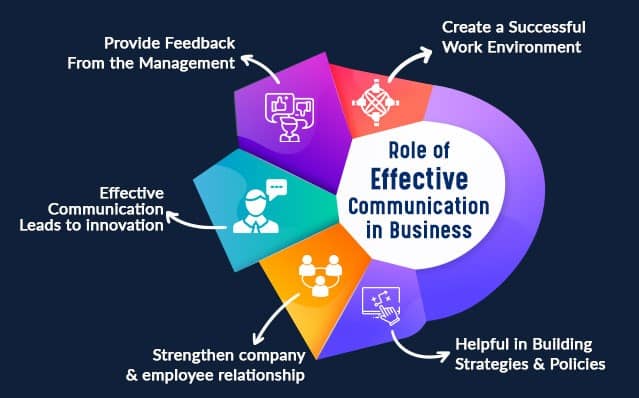
    • Alignment and Coordination: Clear communication keeps everyone informed and “on the same page,” facilitating collaboration and coordinated efforts towards shared goals.
    • Stronger Relationships: Effective communication fosters trust and understanding between employees, customers, and suppliers, contributing to positive working relationships.
    • Improved Morale and Productivity: When employees feel informed and engaged through clear communication, it can lead to higher morale and increased productivity within the organization.
    • Efficient Operations: Clear communication helps minimize misunderstandings and delays, promoting efficient workflow and timely completion of tasks.
    • Adaptable Communication Methods: Businesses can utilize various communication channels like face-to-face meetings, video conferences, emails, instant messaging, or project management tools depending on the context and needs of the situation.

    Communication Skills in the Workplace: Key Data Points (Communication Skills Statistics)

    This section provides a compilation of statistics highlighting the importance and impact of communication skills in various business settings:
    Communication skills statistics
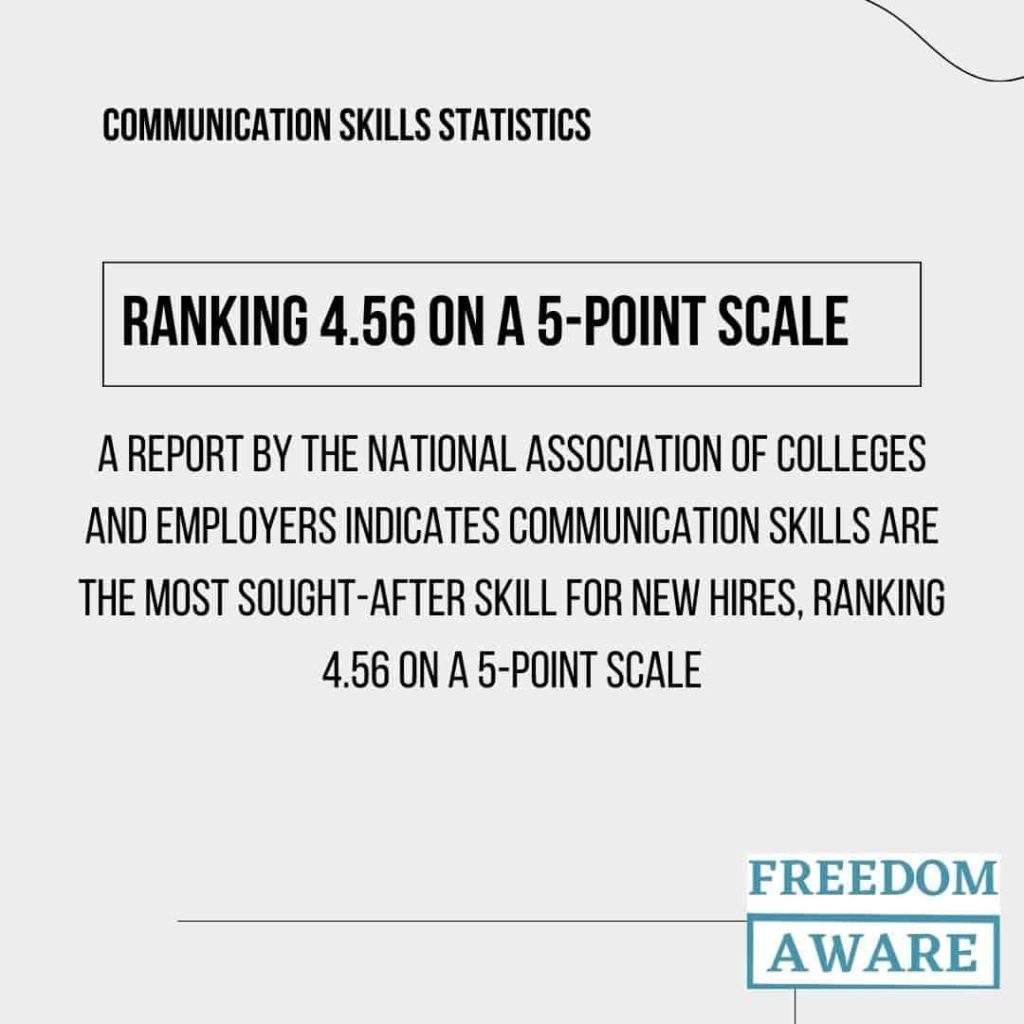
    1. High Employer Demand: A report by the National Association of Colleges and Employers indicates communication skills are the most sought-after skill for new hires, ranking 4.56 on a 5-point scale (source).
    2. Critical Soft Skill: In the IT services industry, 57% of surveyed security professionals identified communication as the top soft skill required by their companies (source).
    3. Industry Landscape: The information and communication technology sector employs over 1.7 million people in the UK alone (source).
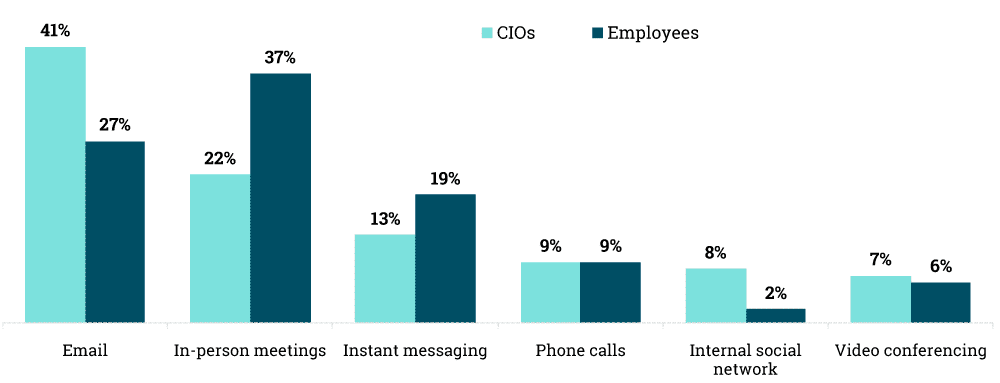
    4. Shifting Communication Landscape: In-person interaction accounts for approximately 23% of the time spent on business communication, suggesting a rise in alternative communication methods (source).
    5. Nonverbal Communication’s Role: Research suggests that nonverbal cues, including facial expressions, postures, gestures, and tone of voice, constitute approximately 93% of effective communication, while spoken words make up only 7% (source).
    6. Cost of Miscommunication: A study indicates that poor communication can lead to significant financial losses. In the UK and US, an estimated $62.4 million was lost annually due to communication issues, while companies with strong communication practices achieved 50% higher returns (source).
    7. Importance of Training: Studies show that training in communication skills can improve the self-efficacy and performance of healthcare professionals (source).
    8. Contemporary Challenges: As of 2023, 32% of professionals reported challenges with effective communication with colleagues and clients over the past year (source).
    9. Clarity Matters: Ensuring clear and specific communication is crucial for success in the workplace (source).

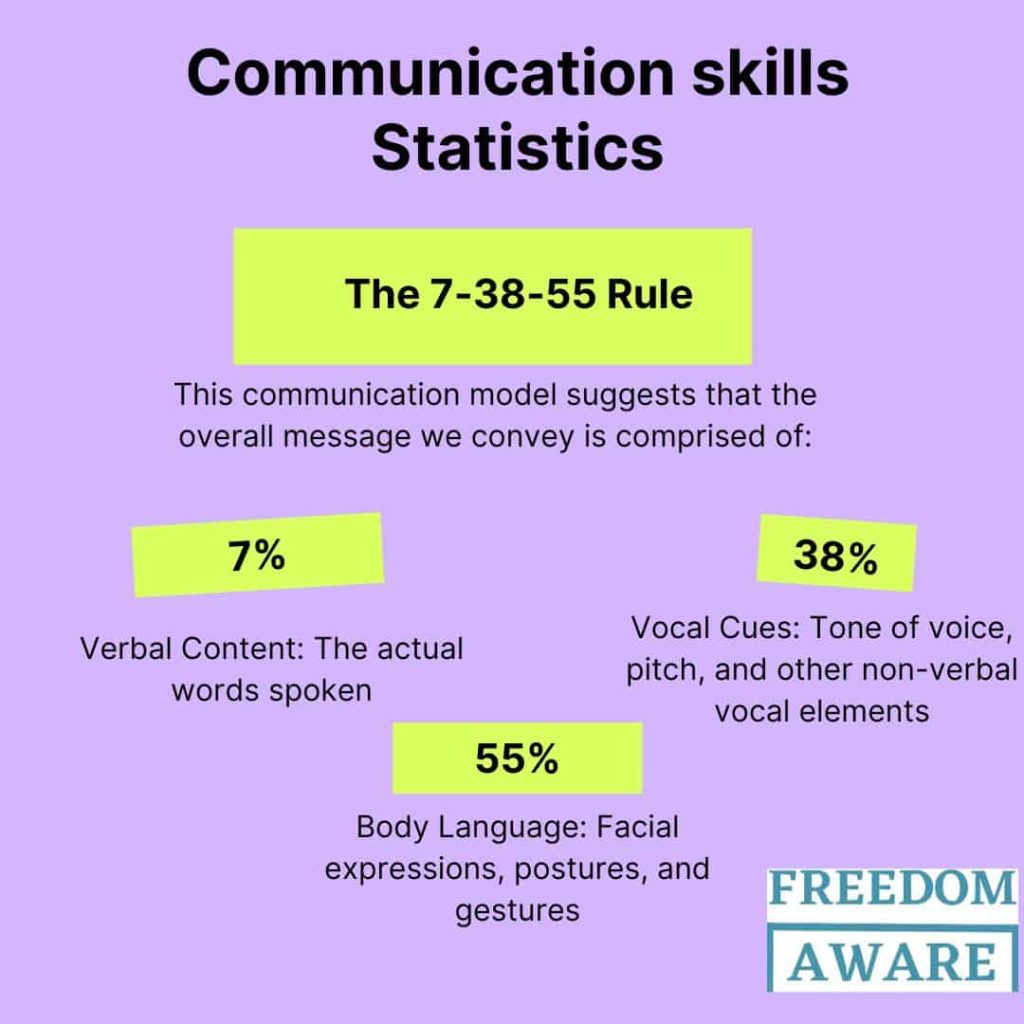
    The 7-38-55 Rule (Communication skills statistics): This communication model suggests that the overall message we convey is comprised of:
    Communication skills statistics
    1. 7% Verbal Content: The actual words spoken (source).
    2. 38% Vocal Cues: Tone of voice, pitch, and other non-verbal vocal elements (source).
    3. 55% Body Language: Facial expressions, postures, and gestures (source).

    The Rise of Digital Communication (Communication Skills Statistics)

    This section explores data points highlighting the increasing importance of digital communication skills in today’s business landscape:

    1. Impact of COVID-19: A survey indicates that 54% of respondents globally reported that the COVID-19 pandemic prompted their companies to increase focus on both omnichannel (multiple channels integrated seamlessly) and multichannel (using various communication channels) digital communication strategies (source). 
    2. Additionally, 53% stated they adopted new digital communication channels during this period (source).
    3. Email and Messaging Prevalence: A separate study found that 76% of respondents in the US use email or other messaging platforms for communication (source).
    4. Growth of the Communications Market: The global communications industry generated significant revenue, reaching $1.37 trillion in 2021 (source).
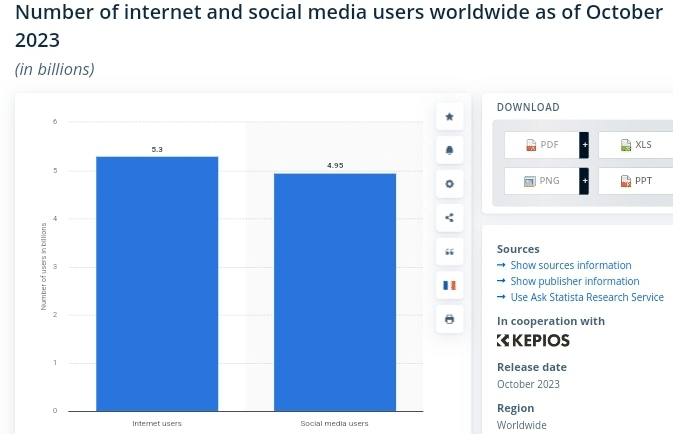
    5. Digital User Base: As of [date], an estimated 65.7% (approximately 5.3 billion) of the world’s population are Internet users, and 61.4% utilize social media platforms (source). This expanding digital landscape emphasizes the need for businesses to adapt and develop strong digital communication skills.

    Note: This is not an exhaustive list of digital communication skills statistics. Further research provides a more comprehensive understanding of this evolving field.

    The Link Between Communication and Productivity (Communication Skills Statistics)

    This section highlights the positive correlation between effective communication and employee productivity:

    1. Improved Efficiency: Studies indicate that effective communication can lead to a significant increase in productivity, with some research suggesting up to a 25% improvement when employees feel engaged and connected to their colleagues (source).
    2. Reduced Time Waste: Conversely, ineffective communication can be a major drain on productivity. A survey found that 68% of employees admit to wasting time due to poor communication practices within their workplace (source).
    Communication skills statistics
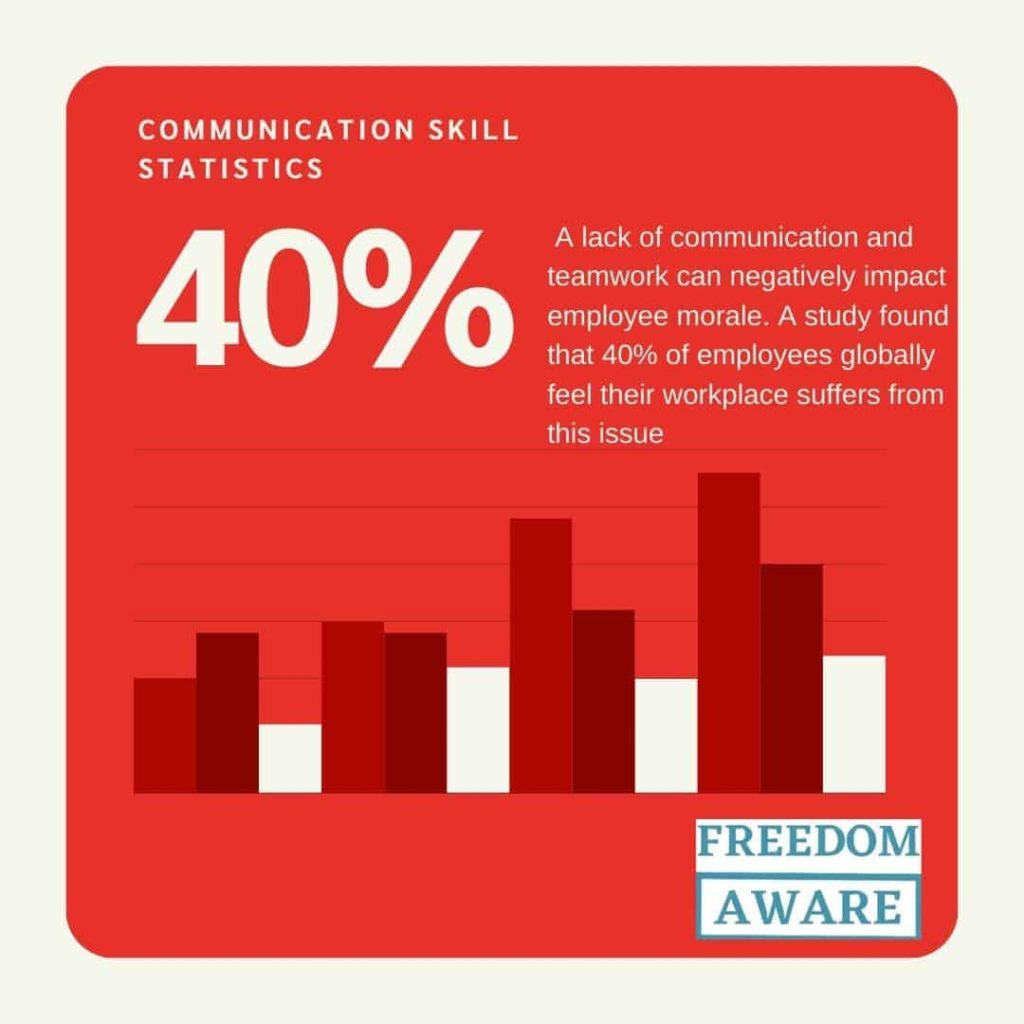
    1. Importance of Teamwork: A lack of communication and teamwork can negatively impact employee morale. A study found that 40% of employees globally feel their workplace suffers from this issue (source).
    2. Leadership Insights: Business leaders recognize the value of communication. Research shows that 72% of leaders attribute increased team productivity to effective communication practices (source).
    3. Employee Confidence Boost: Studies suggest that effective communication can contribute to a more confident workforce. A survey found that 60% of business managers believe clear communication increases employee confidence at work (source).
    4. Holistic Impact: Effective communication goes beyond just tasks. It can positively influence various aspects of employee well-being, including productivity, engagement, retention, and trust (source).
    5. Transparency and Remote Work: In remote work environments, keeping employees informed and included in communication processes becomes even more critical. Research suggests that employees who feel involved in detailed workplace communication are 5 times more likely to report increased productivity (source).
    6. Connectedness and Performance: Studies show a strong correlation between employee connectedness and productivity. Feeling connected and well-informed at work can lead to a 71% increase in productivity compared to employees who feel isolated (source).

    Note: This is not an exhaustive list of statistics on communication and productivity. Further research provides a more comprehensive picture of this critical relationship.

    The Role of Communication in Building Trust (Communication Skills Statistics)

    Transparency and clear communication are essential for building trust within organizations:

    1. Understanding Client Needs: Businesses that demonstrate a genuine understanding of their client’s needs and a willingness to help them are more likely to achieve success (source).
    2. Employee Trust in HR: While a survey indicates that 83% of full-time employees report trusting their HR department, an interesting disconnect emerges. Two-thirds haven’t reported complaints due to a lack of faith in HR’s ability to resolve issues (source). This highlights the importance of clear communication and demonstrating a commitment to addressing concerns.
    3. Leadership and Trust Deficit: A study by Edelman’s “Trust Barometer” suggests a concerning trend, indicating that one-third of employees don’t trust their employers (source). This emphasizes the need for leaders to prioritize open and transparent communication to bridge this trust gap.

    Communication and Employee Retention (Communication skills statistics)

    Effective communication can be a significant factor in employee retention:

    1. Open Communication with Managers: Employees who feel comfortable openly communicating with their managers are more likely to remain with the company (source). This suggests a connection between open communication and employee satisfaction.
    2. Employee Recognition: Effective communication extends beyond simply conveying information. Recognizing employee contributions and achievements can significantly impact retention (source).

    Additional Factors Influencing Retention (Communication Skills Statistics)

    While communication is crucial, retention is likely influenced by a combination of factors beyond just communication. Here are some additional considerations:

    1. Growth Opportunities: Employees seek opportunities for professional development and skill acquisition. Offering programs and initiatives to support employee growth can improve retention (source).
    2. Positive Work Environment: A positive work environment that fosters well-being and employee satisfaction can contribute to higher retention rates (source).

    The Impact of Ineffective Communication (Communication Skills Statistics)

    Poor communication within businesses can have a significant negative impact on various aspects of their operations:

    1. Employee Dissatisfaction: Studies suggest that ineffective communication can lead to employee frustration and stress, potentially impacting productivity and efficiency (source).
    Communication skills statistics
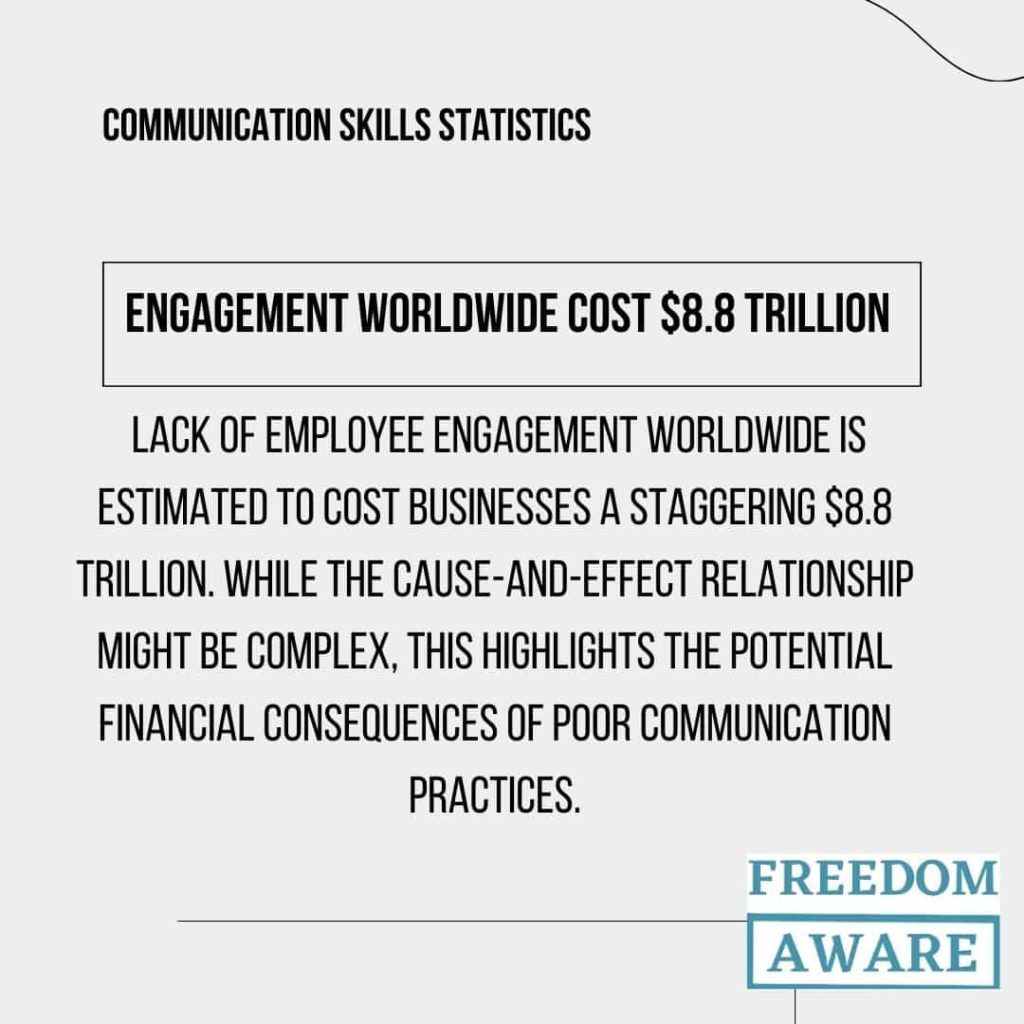
    1. Financial Losses: Research indicates that a lack of employee engagement worldwide is estimated to cost businesses a staggering $8.8 trillion (source). While the cause-and-effect relationship might be complex, this highlights the potential financial consequences of poor communication practices.

    Operational Challenges (Communication skills statistics): A separate study suggests that poor communication can lead to a range of issues within an organization, including:

    1. Wasted time (68%) (source)
    2. Missed messages (53%) (source)
    3. Employee burnout, stress, and fatigue (42%) (source)
    4. Lost files (35%) (source)
    5. Negative customer experiences (30%) (source)
    6. Loss of customers to competitors (12%) (source)
    7. High employee turnover (10%) (source)

    Addressing the Issue (Communication skills statistics)

    These statistics emphasize the importance of prioritizing clear and effective communication within businesses to mitigate these negative consequences and promote a more positive and productive work environment.

    Note: While these statistics paint a clear picture of the potential downsides of ineffective communication, it’s important to acknowledge that they might not necessarily reflect a direct cause-and-effect relationship. Further research provides a more nuanced understanding of the complex factors impacting employee engagement and business performance.

    Communication and Customer Experience (Communication skills statistics)

    The quality of communication directly impacts customer experience:

    1. Dissatisfied Customers: Studies suggest that 31% of customers have had a negative experience due to a lack of effective communication with businesses (source). This highlights the importance of clear and timely communication throughout the customer journey.
    2. Customer Loss: Ineffective communication can lead to customer churn. A study indicates that 12% of businesses lost customers to competitors due to poor communication practices (source). This emphasizes the potential financial consequences of neglecting communication with customers.

    The Power of Effective Communication in Businesses (Communication Skills Statistics)

    Effective communication is a fundamental element for success in any organization. Here’s how communication impacts various aspects of a business environment:

    1. Employee Engagement: A Gallup survey found that employees who have a close friend at work (often fostered by strong communication) are seven times more likely to be engaged (source).
    2. Leadership Communication During Challenges: Companies that prioritize clear, courageous, and disciplined communication, especially during economic downturns or periods of change, can be more effective at engaging their workforce and achieving desired business outcomes (source).
    3. Profitability and Engagement: Research by Gallup suggests a strong correlation between employee engagement and profitability. Studies indicate that highly engaged teams can experience a 23% increase in profitability (source).
    4. The Engagement Gap: However, a concerning statistic from the U.S. workforce reveals that 65% of employees report not being engaged in their workplaces (source).
    5. The Disengagement Cycle: Another study by Gallup indicates that only 21% of employees are truly engaged at work. This lack of engagement can create a cycle, as disengaged employees might contribute to poor workplace communication, and vice versa (source).
    6. Empathy and Retention: A study indicates that 96% of employees believe empathy is crucial for retaining talent within a company (source).
    7. Feeling Heard and Productivity: When employees feel their voices are heard and valued, they are more likely to be productive. Research suggests a 4.6 times increase in productivity among employees who feel heard (source).
    Communication skills statistics
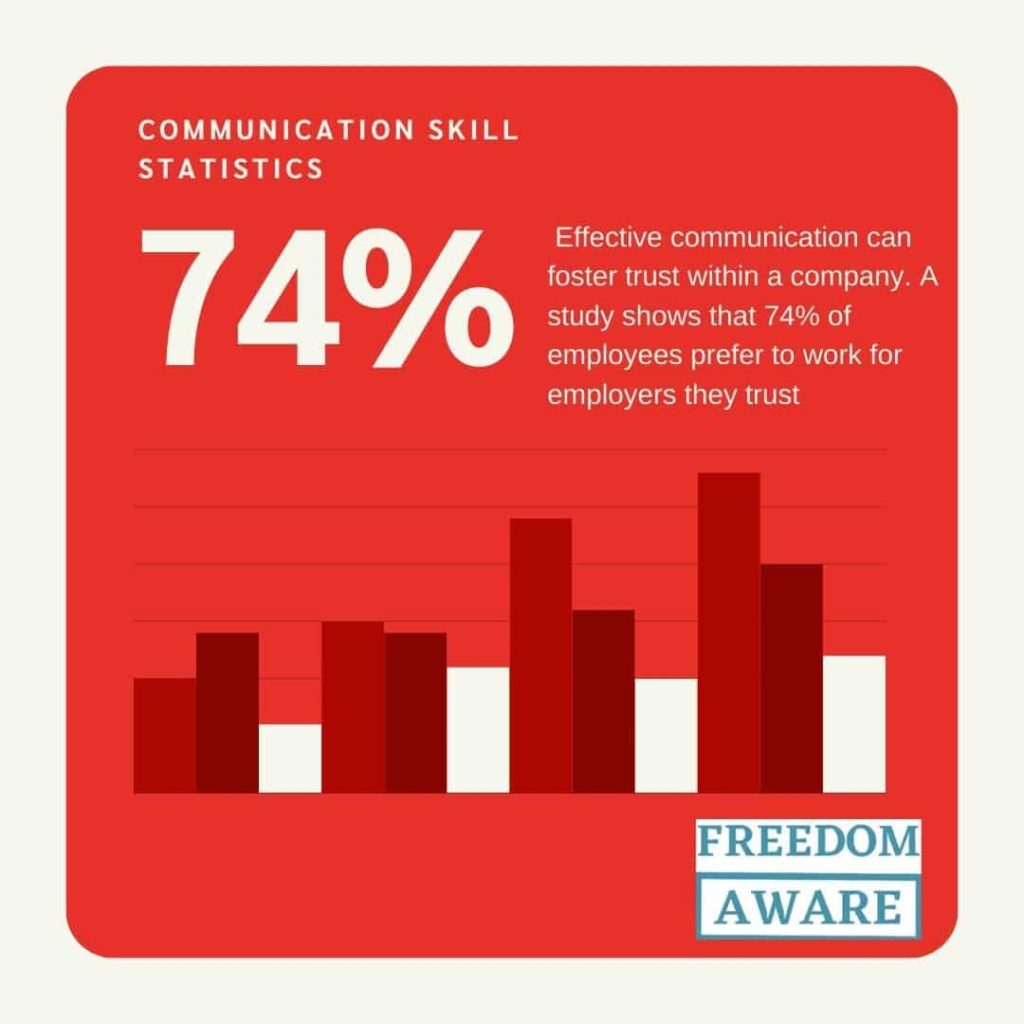
    1. Trust and Communication: Effective communication can foster trust within a company. A study shows that 74% of employees prefer to work for employers they trust (source).
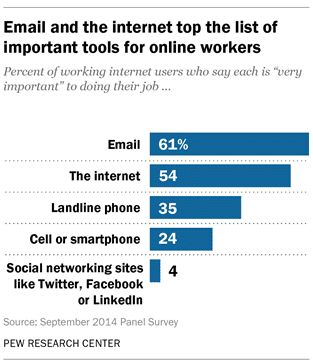
    2. Email Preferences: While email remains a common communication channel, a study suggests that 62% of professionals prefer it over phone calls or face-to-face meetings (source). This highlights the importance of tailoring communication styles to audience preferences.

    Addressing the Challenge (Communication skills statistics)

    These statistics highlight the importance of prioritizing communication strategies that foster employee engagement and create a positive work environment. Effective communication can lead to a more productive, profitable, and successful organization.

    Communication and Job Satisfaction (Communication skills statistics)

    The passage concludes by reiterating the importance of communication for employee satisfaction. A lack of clear and effective communication can be a major source of dissatisfaction within the workplace.

    The Value of Clear Communication in Marketing (Communication Skills Statistics)

    Effective communication is a crucial element in marketing strategies. Here are some data points highlighting the positive impact of clear communication on customer relationships and business growth:

    1. The Power of Feedback: Clear communication extends to providing feedback. Studies show that employees who receive positive feedback are 3.9 times more likely to be engaged than those who feel hurt by negative or unclear feedback (source). This emphasizes the importance of constructive and timely communication when providing feedback.
    2. Customer Preference for Convenient Communication: A study indicates that 68% of customers when given a choice, will likely choose businesses offering convenient communication channels (source). This suggests that businesses should prioritize providing multiple communication touchpoints for their customers.
    3. Improved Communication, Improved Results: Research shows that companies that invest in improving their communication offerings experience positive outcomes. Studies indicate this can lead to a 9.5% increase in customer satisfaction and a 5% increase in business growth (source).
    4. A study found that open communication is a top priority for job seekers, with 81% of employees valuing it more than other perks when choosing a company (source).
    5. Collaboration and communication breakdowns are cited by 86% of employees and executives as major contributors to workplace failures, according to a study (source).
    6. There may be a disconnect between a leader’s self-perception and an employee’s perception of communication skills. A study found that 92% of leaders see themselves as effective communicators (source).
    Communication skills statistics
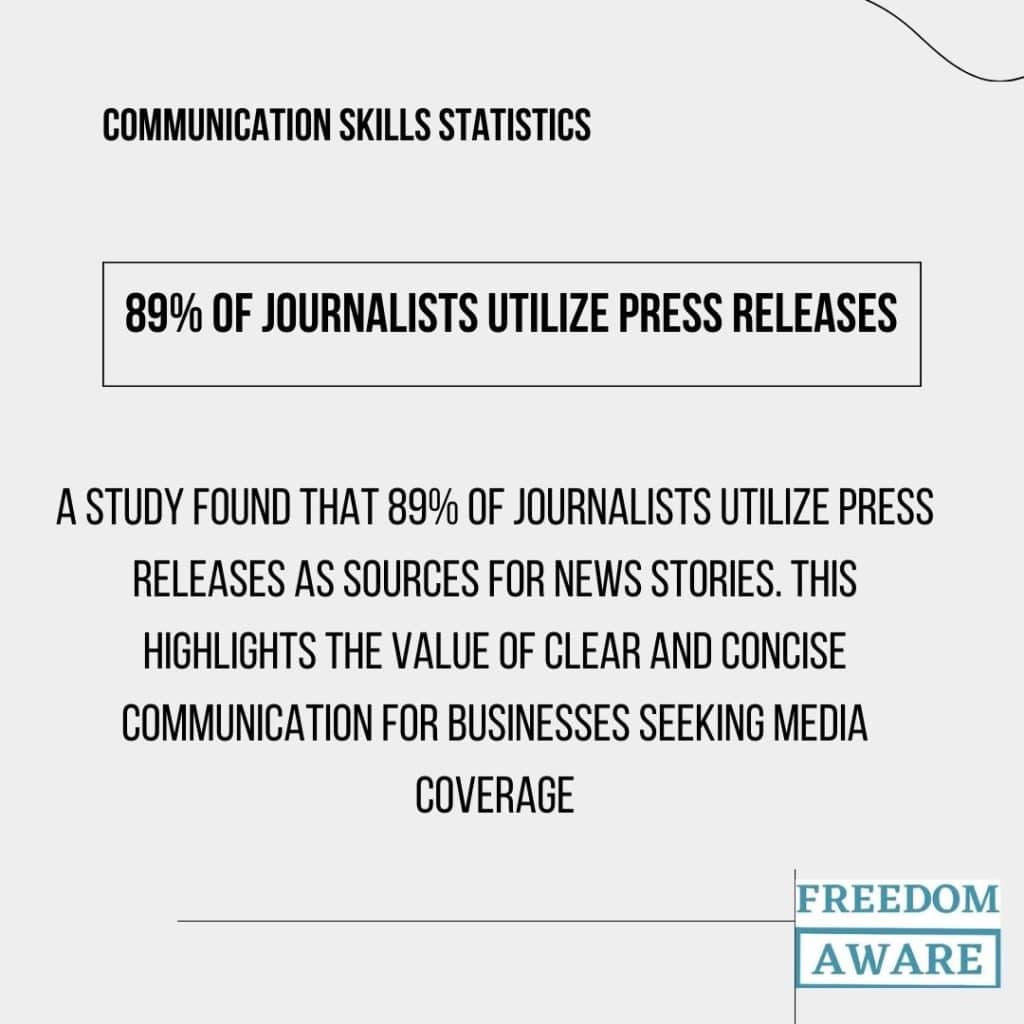
    1. A study found that 89% of journalists utilize press releases as sources for news stories. This highlights the value of clear and concise communication for businesses seeking media coverage (source).
    2. According to a survey, 58% of employees indicated that leadership communication could be improved through increased frequency, honesty, and openness (source).
    3. Managerial communication plays a key role in employee performance. A study found that 70% of employees associate regular communication with increased productivity (source).

    Shifting Communication Landscape: Millennials and Gen Z (Communication Skills Statistics)

    Millennials and Gen Z represent a significant demographic with distinct communication preferences. Here’s a data-driven look at how these groups interact:

    • Digital Savvy: Studies indicate that Millennials are highly digitally connected. A survey found that 90.4% utilize at least one social media platform, and 42% actively post updates at least once a week. This emphasizes the importance of digital communication channels when targeting this demographic.
    • Tailoring Communication Strategies: While digital communication is prominent, there’s no single “one-size-fits-all” approach. Understanding the nuances between older Millennials (born 1981-1996) and Gen Z (born after 1996) is crucial.
    • Generational Differences: These cohorts may have distinct values and communication habits. Effective communication strategies will need to be adapted to resonate with each group.

    Target Audience:

    This information is valuable for professionals in HR, communications, or marketing who want to understand how to best connect with Millennials and Gen Z.

    Note: This generalizations and focuses on presenting data and highlighting the need for targeted communication strategies.

    The Evolving Landscape of Digital Communication (Communication Skills Statistics)

    The digital world continues to reshape how we connect and exchange information. Here’s a glimpse into some of the key trends shaping digital communication in 2024:

    1. The Rise of Video Content (Communication Skills Statistics):

    • Dominant Trend: Video content reigns supreme in digital communication. Studies indicate a surge in video usage for marketing, advertising, and general communication.
    • Reasons for Popularity: Video’s ability to capture attention and engage viewers is a major factor. It’s also readily shareable across social media and other platforms, making it ideal for reaching large audiences quickly.
    • Accessibility and Reach: Technological advancements have made creating high-quality videos more affordable and accessible. Platforms like YouTube and Instagram TV provide wider distribution, allowing content to be seen by millions.

    2. Augmented and Virtual Reality (AR/VR) (Communication skills statistics):

    • Potential for Growth: The COVID-19 pandemic has accelerated the exploration of AR/VR for various purposes.
    • Applications: Entertainment, education, and training are areas where AR/VR is making strides. Gaming, virtual field trips, 3D model exploration, and realistic simulations are just a few examples.

    3. Voice Search on the Rise (Communication skills statistics):

    • Natural Interaction: Voice search is gaining popularity as an intuitive and convenient way to find information.
    • Mobile and Voice-activated: As mobile devices and voice assistants become more commonplace, voice search is expected to become a primary way consumers interact with brands online.
    • Personalization: Voice search requires a more conversational approach than traditional text-based search, potentially leading to a more personalized search experience for users.

    4. The Impact of AI and Machine Learning (Communication skills statistics):

    • Rapid Evolution: Digital communication is rapidly evolving, similar to the integration of social media and messaging apps into our daily lives.
    • AI’s Role: Artificial intelligence (AI) is transforming communication. AI-powered machines are becoming increasingly adept at understanding and responding to human emotions.
    • Customer Service & Personalization: This trend is evident in AI-powered chatbots handling customer service inquiries. In the future, AI might even generate personalized content for individual users.
    • Machine Learning in Marketing: Machine learning plays a significant role in digital marketing, influencing targeted advertising and dynamically generated content.

    5. Live Streaming’s Engagement Power (Communication skills statistics):

    • Interactive and Engaging: Live streaming offers an interactive and engaging communication experience. Viewers can chat with the streamer in real time, fostering a sense of community.
    • Cost-effective Reach: Live streaming provides a cost-effective way to reach a broad audience and build a lasting online community.
    • Transparency and Immediacy: The live nature of content fosters a sense of immediacy and transparency, as viewers experience the event in real time.

    6. Automation and AI Integration (Communication skills statistics):

    • Increased Efficiency: The combined use of automation and AI in digital communication is becoming increasingly popular due to its efficiency benefits.
    • Personalized Automation: These tools can automate messages tailored to individual users, based on data analysis provided by AI.
    • Scalability and Cost Reduction: AI tools can handle large volumes of messages, allowing for communication scaling and potentially reducing the need for human resources (source).
    • Accessibility Improvements: Automation and AI tools can translate messages and provide accessible formats for diverse user needs.

    Note: This is not an exhaustive list of digital communication trends. Further research provides a more comprehensive understanding of this dynamic field.

    Employee Communication in a Changing Landscape (Communication Skills Statistics)
    Communication skills statistics

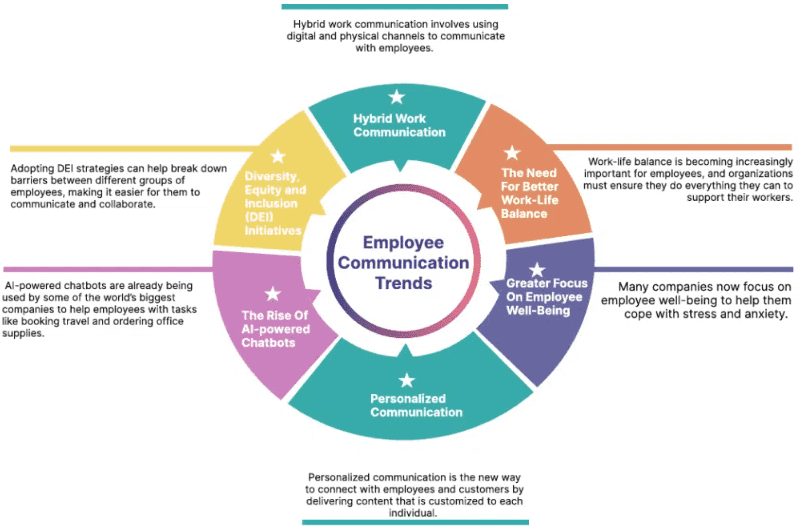
    The way we work is evolving, and effective communication strategies need to adapt. Here are some key trends shaping employee communication in 2024:

    • Hybrid Work Communication (Communication skills statistics):

    The rise of remote and hybrid work models necessitates a blend of digital and physical communication channels. This can include email, instant messaging, video conferencing, and in-person meetings. Benefits include:

    • Increased Productivity: Reduced distractions in remote work settings can lead to higher productivity for some employees. 
    • Improved Employee Satisfaction: Work-life balance options can contribute to greater employee satisfaction and potentially reduce turnover.
    • Prioritizing Work-Life Balance (Communication skills statistics):

    The pandemic has shed light on the importance of work-life balance for employees. Organizations can support this by offering:

    • Flexible Work Arrangements: Flexible scheduling allows employees to manage work alongside personal responsibilities.
    • Mental Health Resources: Providing access to mental health support can benefit employee well-being.
    • Time Off Encouragement: Encouraging employees to take breaks and utilize vacation time can help prevent burnout.
    • Focus on Employee Well-being (Communication skills statistics):

    Employee well-being has become a top priority for many companies. Initiatives to support this might include:

    • Mental Health Benefits: Offering or expanding mental health coverage within health insurance plans.
    • Well-being Programs: Promoting healthy work habits and providing resources to manage stress and anxiety.
    • Personalized Communication (Communication skills statistics):

    Tailoring communication to individual employee needs is gaining traction. Personalized messages can be delivered via email, SMS, or social media platforms. Benefits include:

    Increased Engagement: Personalized communication can enhance employee interest and participation.

    Improved Loyalty: Tailored communication can foster a stronger employee connection to the company.

    Enhanced Referrals: Engaged employees are more likely to recommend their workplace to others.

    • Rise of AI-powered Chatbots (Communication skills statistics):

    Artificial intelligence (AI) is making its way into employee communication. AI-powered chatbots can automate tasks like:

    • Basic Customer Service: Answering common questions and gathering feedback.
    • Administrative Tasks:  Booking travel or ordering office supplies.
    • Employee Training & Onboarding: Providing interactive training modules and personalized feedback. 
    • Diversity, Equity, and Inclusion (DEI) Initiatives (Communication skills statistics):

    Creating a diverse, equitable, and inclusive workplace environment fosters open communication. Implementing DEI initiatives can help:

    • Break Down Barriers: Promote collaboration and understanding between different employee groups.
    • Encourage Participation: Create a safe space for all employees to be heard and valued.
    • Boost Unity: Foster a sense of belonging and shared purpose within the organization.

    Evolving Communication Strategies (Communication skills statistics)

    By staying informed about these trends, organizations can adapt their communication strategies to foster a more engaged, productive, and well-supported workforce.

    Note: This is not an exhaustive list of employee communication trends. Further research can provide a more comprehensive understanding of this evolving landscape.

    The Evolving Landscape of Marketing Communication (Communication skills statistics)

    The world of marketing communication is constantly in flux. As we move forward, several trends are expected to reshape how brands connect with their audiences:

    • The Rise of Conversational AI (Communication Skills Statistics):

    Conversational AI (artificial intelligence) is a growing area of interest in marketing and communication. As technology advances, brands are finding new ways to leverage it for audience interaction. Examples from 2019 include:

    • Sephora: Chatbots assisted customers with product discovery and appointment scheduling.  
    • Starbucks: Voice-activated ordering was integrated into their mobile app. 
    • Dominos: A chatbot allows customers to order pizza through text or voice messages.  
    • Taco Bell: A bot enabled users to order and pay for food entirely within a messaging platform.
    • Personalization Takes Center Stage (Communication Skills Statistics):

    Personalization has evolved from a marketing buzzword to a necessity. A study revealed that 91% of consumers are more likely to favor brands that recognize them, recommend products based on purchase history, or offer personalized options. This extends beyond retail, impacting industries like banking, healthcare, and B2B.

    • Adapting to a Cookie-less Future (Communication skills statistics):

    The effectiveness of cookies for user tracking and targeted advertising is diminishing due to ad blockers and privacy-conscious browsers. Marketers are strategizing for a “cookie-less world” through various approaches:

    • First-party Data: Leveraging data collected directly from surveys or sign-ups to create buyer personas and target marketing efforts.
    • Alternative Tracking Methods: Exploring options like fingerprinting and server-side tracking, although these methods are more complex.  
    • Shifting Focus: Prioritizing marketing channels that don’t rely on online user tracking, such as offline advertising or public relations.
    • The Potential of AR and VR (Communication Skills Statistics):

    Augmented Reality (AR) and Virtual Reality (VR) technologies are becoming increasingly sophisticated. The global AR/VR market was estimated at $209.2 billion in 2022. This presents exciting opportunities for audience engagement:

    • Ikea Place App: Allows users to virtually place furniture in their homes before purchasing.  
    • Sephora Virtual Artist App: Enables virtual makeup try-on before buying. 
    • PepsiCo’s Doritos Blaze App: Uses AR to create an interactive game experience. 
    • Walmart VR Training: Leverages VR technology to train employees.
    • The Power of Omnichannel Strategies (Communication Skills Statistics):

    Omnichannel marketing is gaining significant traction as consumers expect seamless experiences across different channels. This means businesses need to deliver consistent messaging across all touchpoints, such as email, social media, SMS, push notifications, and in-app messaging. Here are key strategies for a successful omnichannel approach:

    • Define Your Channels: Identify the channels most relevant to your business goals.
    • Maintain Consistent Messaging: Ensure a consistent tone and language across all communication channels. 
    • Clear Calls to Action: To guide customers, and provide clear and consistent CTAs (calls to action).  
    • The Enduring Influence of Influencer Marketing (Communication Skills Statistics):

    Influencer marketing, leveraging endorsements from social media personalities with large followings, is a growing trend. This strategy allows brands to tap into established trust and credibility with potential customers. Here’s why influencer marketing is effective:

    • Word-of-mouth Power: It capitalizes on the power of word-of-mouth marketing, a highly influential marketing tactic. 
    • Leveraging Credibility: Brands benefit from the trust influencers have built with their audience. 

    Staying Ahead of the Curve (Communication Skills Statistics)

    By understanding these emerging trends, marketers can develop effective communication strategies to connect with audiences and achieve their goals.

    Note: This is not an exhaustive list of marketing communication trends. Further research can provide a more comprehensive understanding of this evolving field.

    Communication Skills: Q&A (Communication skills statistics)

    Q: What communication skills are crucial for business success?

    A: Several skills are essential, including:

    • Collaboration & Teamwork: Working effectively with others is vital for achieving business goals.
    • Public Speaking: The ability to clearly and confidently convey ideas in presentations or meetings.
    • Active Listening: Paying close attention to understand the speaker’s message.
    • Nonverbal Communication: Using body language and facial expressions to enhance your message.
    • Written Communication: Crafting clear, concise, and professional written messages.

    Q: What are some core communication skills?

    A: Six fundamental skills are:

    1. Active Listening: Giving full attention to understand the speaker’s message.
    2. Responsiveness: Providing timely and relevant replies to communication.
    3. Adaptability: Adjusting your communication style to different audiences.
    4. Empathy: Understanding and considering the other person’s perspective.
    5. Nonverbal Communication: Using body language effectively to complement your message.
    6. Writing Skills: Expressing yourself clearly and concisely in written communication.

    Q: Why are communication skills important?

    A: Effective communication is central to all aspects of life. It strengthens:

    • Career Success: Communication skills are essential for collaboration, presentations, and negotiation.
    • Relationships: Clear communication fosters trust and understanding in personal and professional relationships.
    • Conflict Resolution: Effective communication helps resolve conflicts constructively.

    Effective communication goes beyond just speaking or writing clearly. It’s a multifaceted skill encompassing listening, nonverbal cues, information exchange, and understanding.

    The Power of Communication in the Workplace (Communication Skills Statistics)

    Effective communication is the lifeblood of any successful organization. It fuels collaboration, fosters a positive work environment, and strengthens relationships with colleagues and clients.

    • Positive Culture: A supportive and inclusive work environment encourages open communication and teamwork, ultimately leading to better employee performance.
    • Strong Relationships: Clear communication fosters trust and understanding among colleagues, boosting morale and promoting collaboration.
    • Growth and Success: Communication skills are essential for career advancement and contribute significantly to overall business growth.

    Investing in Communication Skills (Communication skills statistics)

    By prioritizing communication skills development for employees, organizations can:

    • Enhance Collaboration and Teamwork
    • Improve Employee Morale and Engagement
    • Foster a Culture of Innovation and Problem-Solving
    • Achieve Business Goals More Effectively

    Understanding current communication trends allows businesses to stay ahead of the curve and prepare for future challenges.

    Call to Action:

    Organizations that prioritize developing strong communication skills within their workforce are well-positioned for success in today’s dynamic business environment. Consider research and resources to implement communication skills training programs for your employees.
    Communication Skills Statistics

  • 105 Latest Communication Statistics And Trends To Help You In 2025

    105 Latest Communication Statistics And Trends To Help You In 2025

    communication statistics

    Here are communication statistics and trends to help you in 2024;

    Effective communication skills are indispensable in both personal and professional contexts, serving as the cornerstone of successful interactions and relationships. In today’s dynamic and interconnected world, the ability to convey ideas, listen actively, and build rapport has never been more crucial. From the boardroom to the living room, communication skills influence every aspect of our lives, shaping our careers, relationships, and overall well-being.

    communication statistics

    In this article, we delve into the realm of communication skill statistics, exploring key findings, trends, and insights that underscore the importance of effective communication in various spheres. From the impact of communication skills on employment to the prevalence of public speaking anxiety, we uncover the numbers behind the power of communication and its transformative effects on individuals and organizations alike. Join us as we navigate through the top communication skill statistics, shedding light on the vital role of communication proficiency in today’s fast-paced world.

    communication statistics

    source

    Undoubtedly, the landscape of business is undergoing rapid transformation, characterized by unprecedented volatility. This turbulence is largely fueled by rapid technological advancements and the expanding global marketplace. Consequently, businesses are compelled to overhaul their strategies to retain competitiveness amidst such uncertainty.

    One area that has emerged as a focal point for adaptation is communication skills. In today’s dynamic and competitive business environment, effective communication holds more significance than ever before.

    Communication serves as the bedrock of any thriving business. Irrespective of role or department, every employee’s proficiency in communication directly impacts the company’s performance and productivity.  Source 

    In this article, we embark on a journey to master the art of effective communication. We’ll delve into the latest communication skills, statistics, and trends, ensuring you remain abreast of this pivotal area vital for the success of your business endeavors.

    WHAT IS COMMUNICATION IN BUSINESS?

    communication statistics

    Communication in business encompasses the exchange of information, ideas, and messages between various stakeholders within an organization, as well as with external parties such as customers, suppliers, partners, and other relevant entities. It involves conveying thoughts, instructions, feedback, and updates through verbal, written, or non-verbal means to facilitate understanding, collaboration, and decision-making processes. Effective communication in business plays a pivotal role in fostering teamwork, enhancing productivity, building relationships, resolving conflicts, and ultimately achieving organizational goals and objectives.

    According to source Communication is fundamental to the existence and survival of humans as well as to an organization. It is a process of creating and sharing ideas, information, views, facts, feelings from one place, person or group to another.  Communication is the key to the Directing source 

    Understanding the Importance of Communication in Business

    For business owners and leaders, the significance of communication cannot be overstated. Effective communication serves as the linchpin of success, facilitating smooth operations across all facets of the organization.

    Whether it’s interaction with employees, customers, or suppliers, adept communication is paramount for maintaining operational efficiency and harmony. Regardless of the size of the business, robust communication practices ensure that everyone is aligned and working towards shared goals.

    Moreover, fostering good communication fosters strong working relationships, bolsters morale, and enhances productivity within the workforce. By promoting open and transparent communication channels, businesses can cultivate a positive work environment conducive to collaboration and innovation.

    In today’s dynamic workplace, there are myriad communication channels available, ranging from face-to-face meetings and conference calls to group emails and instant messaging platforms. The key lies in selecting the most appropriate communication method for each situation, ensuring clarity and effectiveness in conveying information.

    Ultimately, recognizing and prioritizing effective communication in business operations is essential for driving success and achieving organizational objectives.

    communication statistics

    source

    General Communication Statistics

    1. According to a report from the National Association of Colleges and Employers, communication skills rank highest among the sought-after qualities by employers when hiring new talent, scoring an impressive 4.56 out of 5 on the importance scale. Source 
    2. In the IT services industry, 57% of surveyed security professionals cited communication skills as the most essential soft skill required by their companies. Source 
    3. In the United Kingdom, the information and communication industry employed over 1.7 million individuals, underscoring its significant contribution to the workforce.  Source 
    4. Business communication predominantly relies on in-person interaction, accounting for approximately 23% of communication time.  Source 
    5. Nonverbal communication constitutes a substantial portion of effective communication, comprising approximately 93%, while spoken words only represent 7% of the message. Source 
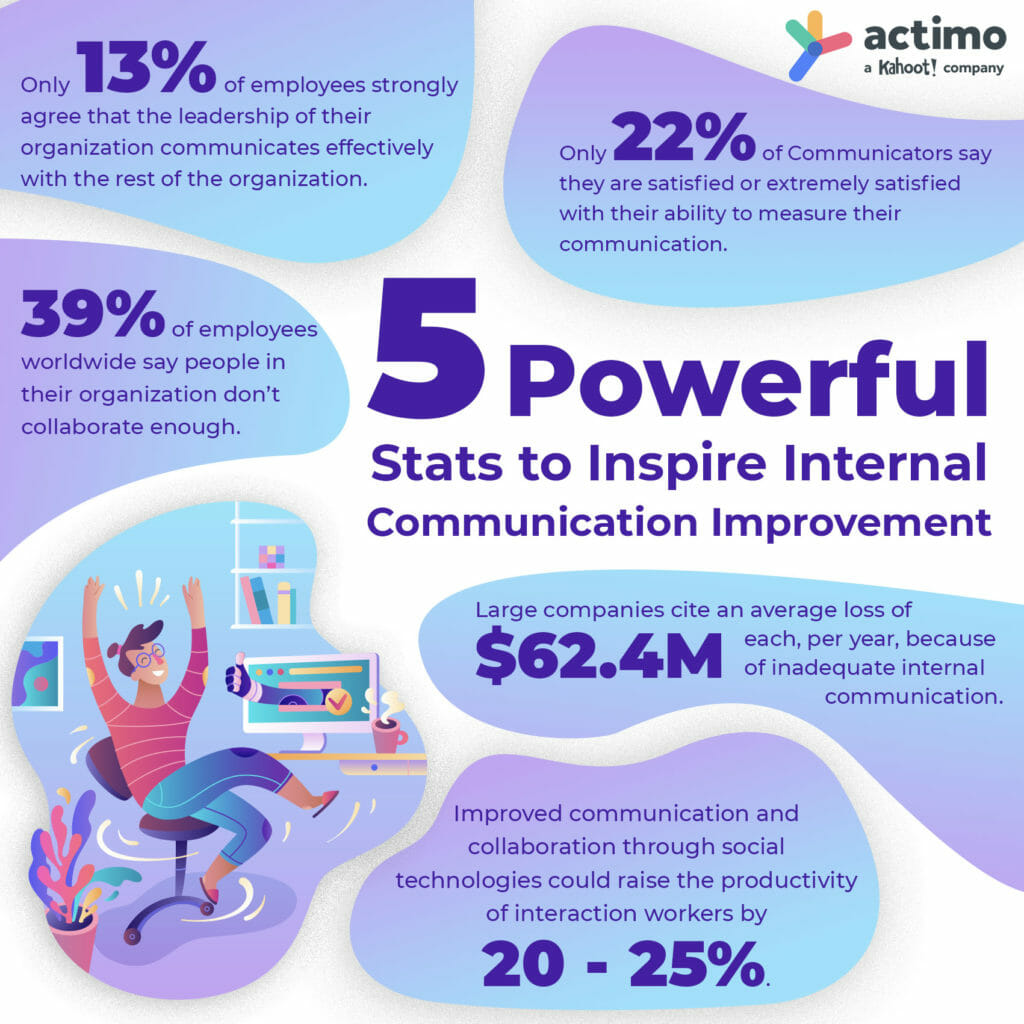
    6. Poor communication practices cost UK and US companies an estimated $62.4 million annually, resulting in productivity losses for 100,000 employees. Conversely, organizations with effective communication strategies enjoy 50% higher total returns. Source 
    7. Silent cues, including facial expressions, posture, gestures, tone of voice, and underlying emotions, contribute significantly to effective communication, constituting approximately 93% of the message.  Source 
    8. Training in communication skills can enhance the self-efficacy and performance of health professionals, emphasizing the importance of effective communication in the healthcare sector. Source 
    9. A significant proportion (32%) of professionals reported facing challenges in effective communication with clients and coworkers over the past 12 months, reflecting the ongoing need for improvement in communication practices. Source 
    10. Specificity is paramount in workplace communication to ensure effectiveness and clarity in conveying messages and instructions. source  
    11. The 7-38-55 communication rule underscores the significance of nonverbal communication elements, with 7% attributed to the actual message, 38% to tone of voice, and 55% to body language. source 
    12. According to research findings, individuals retain approximately 10% of information they read, 20% of what they hear, 30% of what they see, 50% of what they both see and hear, 70% of what they say and write, and a staggering 90% of what they actively engage in or do. source 
    13. According to research conducted by Mitel,  communication inefficiencies globally consume an average of 13% of an employee’s day. Source 
    14. Inadequate communication and collaboration solutions have been projected to incur significant costs for UK businesses, averaging £7,675 per employee annually. According to the survey findings, over a third of the typical UK office worker’s salary is squandered due to these inefficiencies. Source 
    15. According to research by Salesforce, 86% of both employees and corporate leaders attribute workplace failures to ineffective communication. Source 
    16. Similarly, findings from the Economist Intelligence Unit source  highlight how poor workplace communication can hamper company performance, resulting in:
    17. 52% increased stress for employees
    18. 44% failure to complete projects
    19. 31% decrease in employee morale
    20. 25% missed performance goals
    21. 18% loss in sale
    22. An impressive 97% of employees acknowledge the profound influence of team alignment on the success of a project, underscoring the pivotal role communication skills hold in the corporate realm. Source 
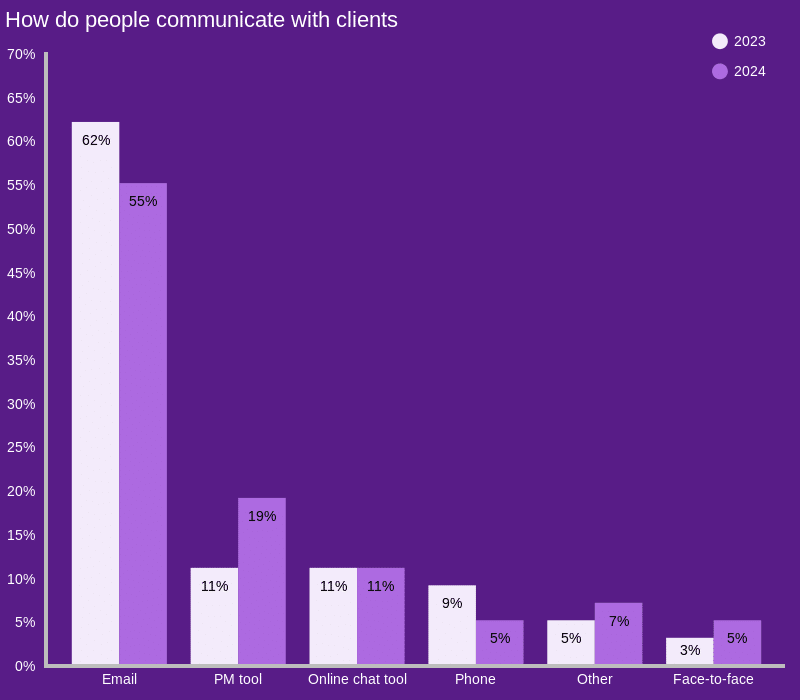
    23. In 2024, 55% of individuals opt to communicate with their clients via email. Source 
    24. The percentage of individuals predominantly utilizing a project management tool for client communication has increased from 11% in 2023 to 19% in 2024. Source 
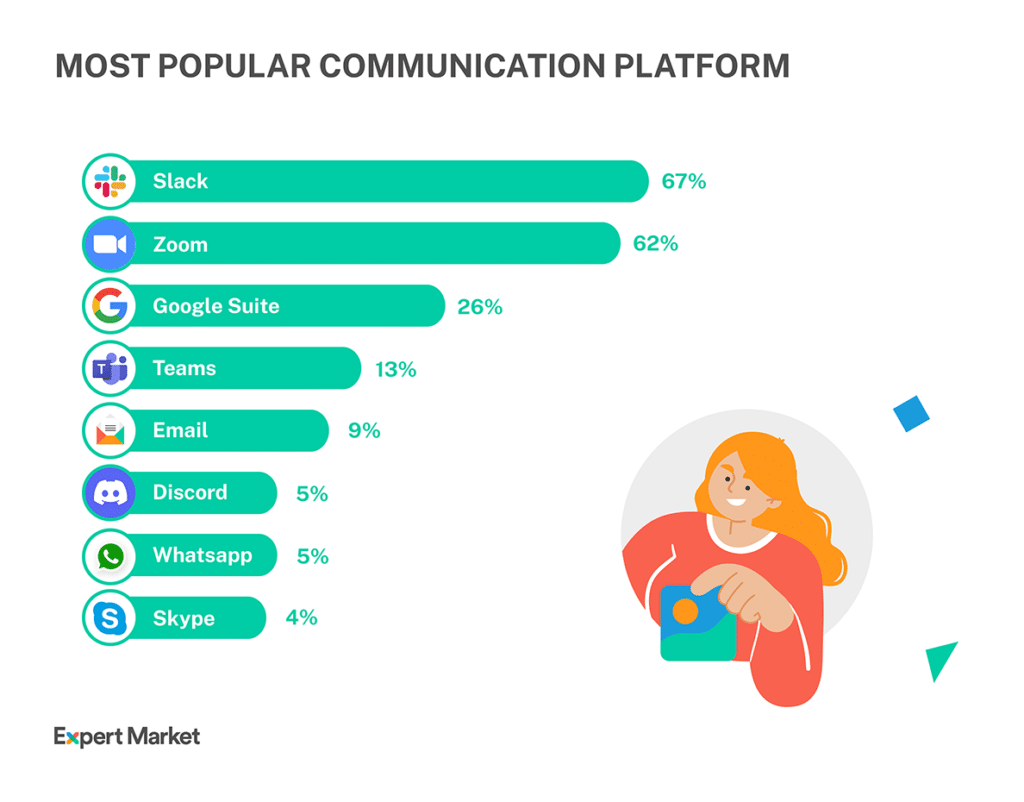
    25. In 2024, 11% of individuals opt to communicate with their clients using online chat tools, such as Slack. Source  
    26. Approximately 54% of respondents in a global survey reported that the COVID-19 pandemic prompted them to enhance their focus on both omnichannel and multichannel digital communication within their companies. Additionally, 53% stated that they introduced new channels for digital communications. Source 
    27. In the United States, 76% of surveyed respondents indicated that they utilized email or other messaging services for communication purposes. Source 
    28. The global communications market amassed a staggering $1.37 trillion in revenue in the year 2021. Source 
    29. Approximately 65.7% of the world’s population, roughly equivalent to 5.3 billion individuals, are Internet users, with 61.4% actively engaging on social media platforms. Source 
    communication statistics
    1. In the current landscape, 26% of individuals utilize an online chat tool like Slack, which marks a slight decrease from the 30% reported last year. Meanwhile, 24% opt for a project management tool, showing a notable increase from the 15% reported a year ago. Source 
    2. 7% of respondents maintain primary communication via phone, consistent with figures from the previous year. However, the proportion of individuals primarily engaging in face-to-face communication has declined from 7% to 3%. Source 
    3. An additional 10% of respondents stated that they utilize a tool not included in the aforementioned categories. This diverse range of tools includes Notion, WhatsApp, Google Meet, and Zoom, among others. source  
    4. 86% of both employees and executives attribute workplace failures to either a lack of collaboration or ineffective communication. source  
    5. 67% of managers express discomfort with face-to-face communication when interacting with employees. Source 
    6. 10% of workers indicated that they utilize a tool other than email, with a diverse array of options such as Notion, WhatsApp, and video conferencing platforms like Zoom and Google Meet being mentioned. Source 
    7. 33% of the entire workforce identify the lack of transparency in internal employee communications as a problem. source 
    8. employees who engage in regular communication with each other demonstrate higher levels of productivity. This was clearly illustrated in a previous McKinsey report, indicating that cohesive teams experience a productivity surge of 20–25%. Source 
    9. Individuals who incorporate emojis into workplace communication are perceived as more amicable. source  
    10. As per research conducted by the US firm Gartner, inadequate communication accounts for 70% of corporate errors. Source 
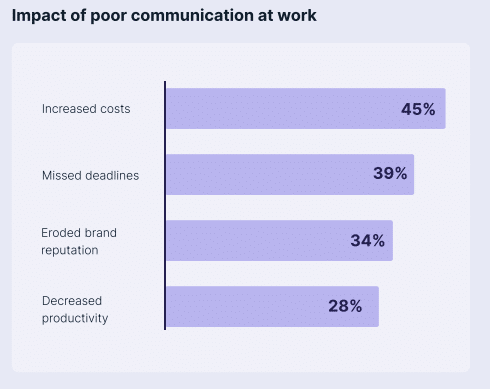
    11. 28% of employees cite inadequate communication as the primary reason for their inability to meet deadlines. Source 

    Statistics on Workplace Communication Media

    1. A majority, or 56%, of Chief Communications Officers (CCOs), report an uptick in their utilization of communications technology. Source 
    2. 62% indicate a heightened emphasis on employee communication, with 54% identifying employee communication as one of their top five talent investment areas in the foreseeable future. source 
    3. Over the past two decades, there has been a notable surge in the time allocated to communication tools such as calls and emails, with an increase ranging from 20% to 50% to enhance employee communication. Source 
    4. A significant 85% of employees acknowledge using more than one device for communication purposes in the workplace. Source 
    5. Among surveyed employees, 44% primarily utilize computers as their communication devices, while 36% rely on smartphones for communication. Source 
    6. Phone calls emerge as the predominant communication medium in the workplace, with over 95% of surveyed workers indicating their reliance on phone calls for workplace communication. Source 
    communication statistics
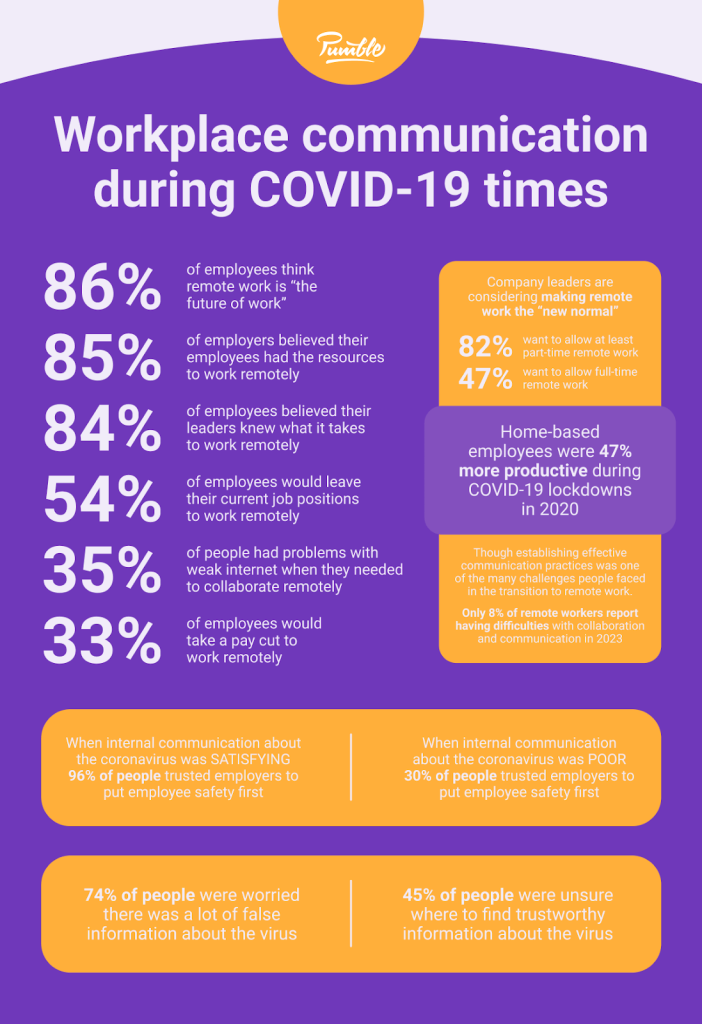
    1. Amid the Covid-19 lockdown, approximately 81% of adults engaged in remote work reported employing video calling or conferencing tools to maintain communication with their companies, with 63% expressing satisfaction with the time invested in these online communication platforms. Source 
    2. More than 75% of employees exhibit a preference for watching videos over reading text or emails. Source 
    3. Despite the staggering volume of over 269 billion emails transmitted worldwide daily, busy workers open only 24% of these emails on average. Source 
    4. A substantial 86.5% of workers disclose their usage of video calls for workplace communication, with 55% among them employing video calls on a daily basis. Source 
    communication statistics

    Statistics On Poor Communication In The Workplace

    communication statistics
    1. A significant 86% of surveyed workers report encountering communication challenges, despite devoting half of their workweek to communication tasks. Source 
    2. 69% of employers and business executives reportedly struggle with organizing communication with their employees. source  
    3. A significant 86% of surveyed workers report encountering communication challenges, despite devoting half of their workweek to communication tasks. Source 
    communication statistics
    1. In the United States, 40% of millennials reveal using email as their primary mode of communication with customers. Source 
    2. 63.3% of over 600 surveyed organizations assert that retaining employees poses a greater challenge than hiring them, primarily attributed to inadequate workplace communication. Source 
    3. Approximately 63% express willingness to leave their current job due to frustration with their companies’ communication practices. Source 
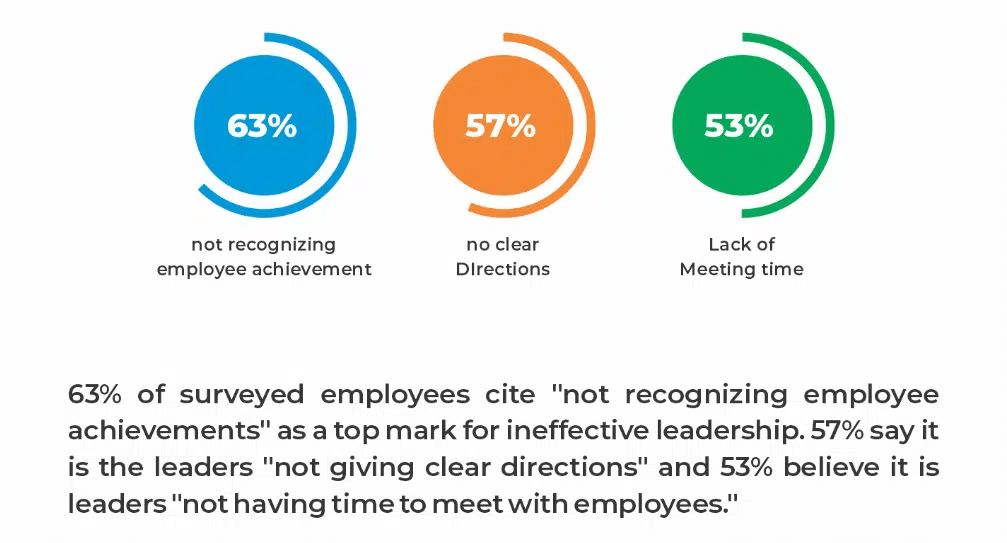
    4. Among surveyed employees, 63% identify “failure to recognize employee achievements” as a primary indicator of ineffective leadership, followed by 57% attributing it to “ambiguous directions from leaders,” and 53% pointing to “leaders’ lack of availability for meetings with employees”. Source 
    5. According to a survey, 91% of employees identify effective communication as a critical skill lacking in leaders, a deficiency that undermines employee engagement. Source 
    communication statistics
    1. Inadequate information exchange in the workplace contributes to employee frustration and can result in a 5% decline in performance, translating to a reduction of $32.5 million from a $1 billion top line. Source 
    2. Roughly 80% of workers concur that ineffective or poor communication induces stress, with 36% reporting instances of being adversely affected by such communication breakdowns. Source 
    3. The cost of ineffective workplace communication in the United States has surpassed $1.2 trillion and is projected to escalate further without intervention. Source 
    4. A survey of 400 large-scale companies revealed an average annual loss of $62.4 million per company attributable to poor communication, while smaller companies typically experience losses of up to $420,000 annually. source 
    5. Over 70% of corporate errors are attributed to poor communication in the workplace. Source 
    6. 36% of individuals report being office-based for all five weekdays, while a collective 44% divide their time between remote and office work, with 20% exclusively working remotely. source 
    7.  People simply prefer videos. Forrester Research indicates that employees are 75% more inclined to watch a video than to read documents, emails, or web articles. Source 

    Statistics on Challenges in Workplace Communication

    Remote work continues to present a challenge to effective workplace communication. With many individuals working remotely, they often find themselves isolated and disconnected from their projects.

    communication statistics

    source

    1. After the post-COVID-19 lockdown, approximately 32% of workers find communication to be significantly more challenging in the past year. However, 18% perceive communication to have become easier. Source 
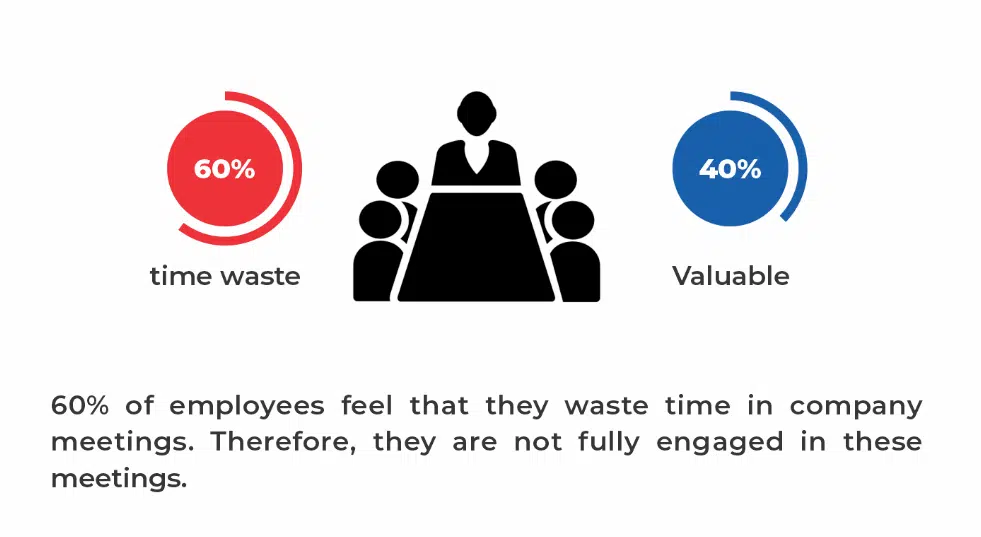
    2. Sixty percent of employees express the feeling that they squander time during company meetings, resulting in their lack of full engagement. Source 
    communication statistics
    1. Workplace frustration escalates as employees dedicate over 2.5 hours daily to searching for essential information. Source 
    2. 30% of individuals perceive communication with clients and colleagues as increasingly challenging over the past 12 months. Source 
    3. 48% of individuals indicate that the challenge remains unchanged, while only 23% feel that things have become easier. source 
    4. Approximately 63% of workers have missed essential information that was sent to a colleague’s inbox while the colleague was absent. source  
    5. Merely 6% of communication leaders express confidence in managing employee change fatigue, despite their pivotal role within organizations. Source 
    6.  39% of employees are found sleeping during company meetings, while 73% are typically engaged in other work tasks. source  

    Statistics on Employee Engagement in Internal Communication

    communication statistics
    1.  Improved communication and collaboration through social technologies could raise the productivity of interaction workers by 20 – 25 percent. Source 
    2. According to 37% of over 1300 surveyed respondents, the most significant challenge in internal communication is employee disengagement. Source 
    3. 68% of employees report that the pandemic has enhanced internal communications within their organization. Additionally, 85% of employees feel a stronger sense of connection when effective communication is present. This heightened connection correlates with an 18% increase in productivity and sales. Source 
    4. While 85% of company leaders acknowledge that employee engagement is a top priority, only one-third of them have actually prioritized it. Source 
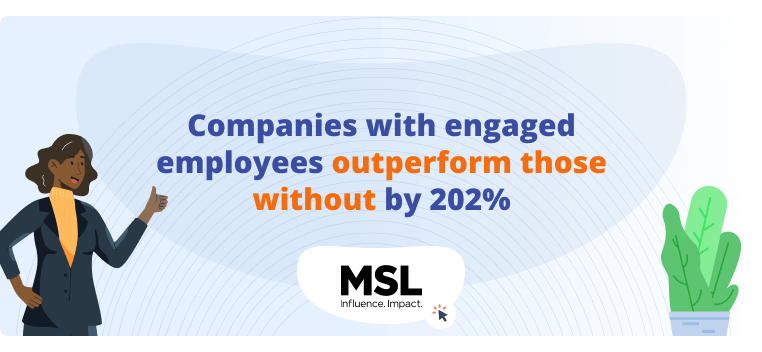
    5. Other sources state that companies with engaged employees outperform those without by 202%. And having an effective internal communications strategy brings 47% higher returns to stakeholders. Source 
    communication statistics
    1. In a survey, 44% of business executives believe their company can maintain employee engagement during Covid-19. However, only 25% of employees agree with this assertion. Source 
    2. Poor internal communication strategies result in 55% of employees spending more time at work than necessary. Source 
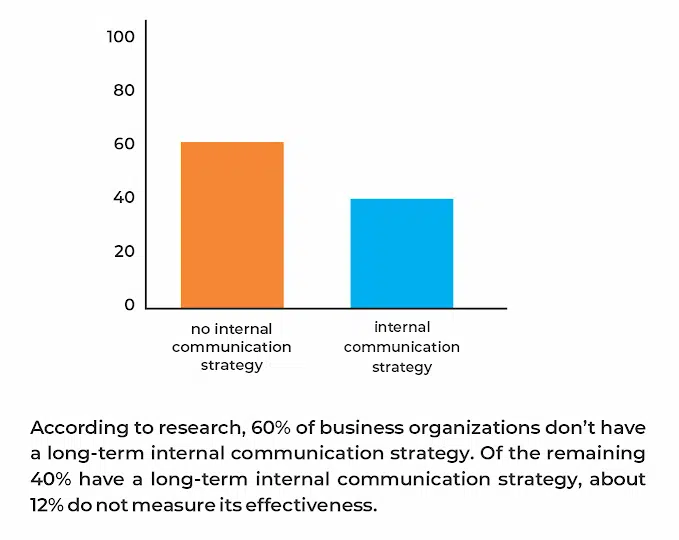
    3. Research indicates that 60% of business organizations lack a long-term internal communication strategy. Among the remaining 40% that do have such a strategy, approximately 12% do not measure its effectiveness. Source 
    communication statistics
    1. source suggests that this figure is actually five hours per day, and they note an 88% year-over-year increase in the time spent watching videos.

    Corporate Communication Statistics

    Effective communication is crucial for the success of any business. It fosters understanding among employees, helps resolve conflicts, and boosts productivity. Conversely, poor communication can lead to confusion, decreased morale, and reduced productivity. Here are some insightful statistics and facts regarding corporate communication:

    communication statistics
    1.  Feedback plays a crucial role in employee engagement, as those who receive positive feedback are 3.9 times more likely to be engaged than those who feel ignored. Source 
    2. Email remains the preferred mode of communication for 62% of professionals, surpassing phone calls and face-to-face meetings. source 
    3. Effective communication fosters trust, with 74% of employees preferring to work for trustworthy employers. Source 
    4. Employees whose voices are heard are 4.6 times more likely to increase their productivity. Source 
    5. A staggering 96% of employees believe that empathy is essential for employee retention. Source 
    6. Only 21% of employees are engaged at work, highlighting the correlation between employee disengagement and poor workplace communication. Source 
    7. Despite the importance of engagement, 65% of the U.S. workforce reports feeling disengaged at their workplace. Source 
    8. A study by Gallup reveals that teams with high engagement levels experience a 23% increase in profitability. Source 
    9. Companies that communicate with innovation, courage, and discipline, especially during economic challenges and change, are more effective at engaging employees and achieving desired business results. Source 
    10. According to Gallup’s survey, employees who have a best friend at work are seven times more likely to be engaged. Source  Enhanced communication improves employee retention.

    The phenomenon known as the Great Resignation has been substantiated by 

    1.  Microsoft’s 2022 Work Trend Index, revealing that 43% of employees are considering job changes in 2023. This sentiment is particularly pronounced among Gen Z workers, with 58% contemplating a switch. 
    2.  Gallup’s latest report underscores this trend, indicating that 59% of workers are quietly quitting, while 23% feel they are thriving at work, and 18% are loudly quitting, directly hindering their company’s objectives. 

    This wave of resignations mirrors the trends seen in 2021 and 2022, with millions of workers leaving their jobs.

    1. SHRM notes that 40% of US workers were actively seeking new employment in 2021, a figure expected to rise to 51% this year.
    2. A survey of 50,000 employees across 59 global organizations revealed that engaged employees are 87% less likely to leave their organization.
    3. Similarly, highly engaged employees were found to be far less inclined to leave their companies compared to their disengaged counterparts. Thus, fostering engagement through robust communication practices is likely to enhance employee retention rates. Source 

    Facilitating trust is a key function of effective communication.

    1. In a workplace trust report published by the Workforce Institute at UKG, 74% of employees express a preference for working under an employer they deem trustworthy.
    2. A significant majority, reaching 63% of surveyed business leaders and employees, expressed the view that trust should be acquired through actions rather than assumed outright. This perspective was particularly prevalent in India, with 90% of respondents concurring, while in Mexico, the sentiment was less widespread, with only 37% of professionals sharing the same belief. Source The Workforce Institute at UKG found that diminished trust within the workplace has a notable impact on employee performance. Their study revealed that:
    3. 22% of respondents in the survey cited refraining from making referrals due to a lack of trust in their company. Source 
    4. 24% decided to leave a company because they didn’t feel trusted by their employer.  Source 
    5. Additionally, a significant 68% expressed that low trust negatively affected their daily effort and productivity. source 
    6. To be perceived as trustworthy by their manager, an employee would not only need to excel as a good (54%) and dependable (48%) worker overall but also demonstrate honesty (36%) and engage in active listening (28%).
    7. On the flip side, employees prioritize managers who are dependable (52%) and honest (34%), along with those who can provide constructive feedback (25%).
    8. Ultimately, the absence of transparent and sincere communication that fosters trust tends to negatively impact employee morale. This is evidenced by the feedback from a third of employees who participated in an Accountemps survey

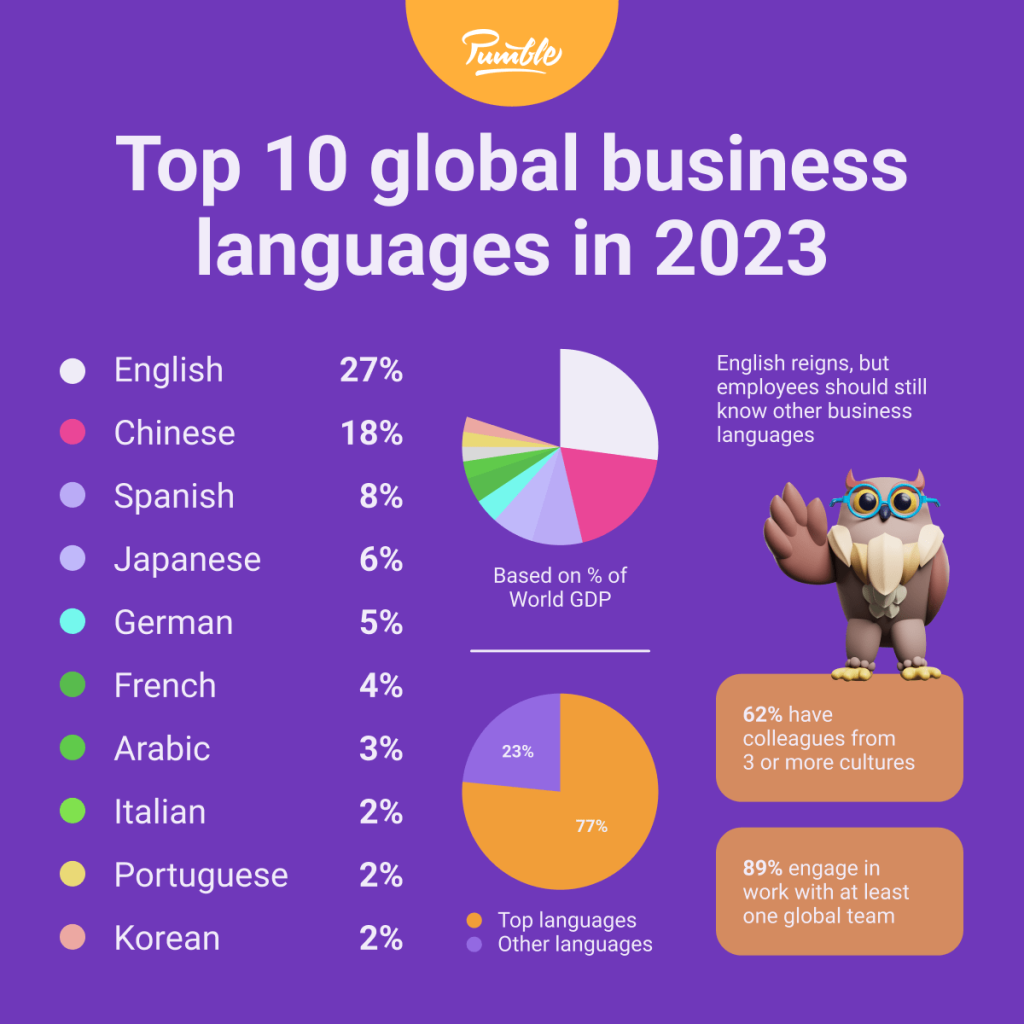
    Statistics regarding the most utilized languages in business communication Verbal and written communication are undeniably crucial in workplace settings and beyond. As more companies expand globally, the question arises about selecting a language suitable for communication within international teams.

    While communication is straightforward when all team members share the same native language, it becomes more complex in multicultural teams where choosing a language that ensures everyone feels comfortable communicating is essential.

    Business languages for global teams

    Business languages for global teams are increasingly crucial in today’s corporate landscape. According to a 2018 survey cited by the Harvard Business School, a staggering 89% of employees are part of at least one global team, with 62% of corporate workers collaborating with colleagues from three or more different cultures.

    Given this trend, proficiency in at least one international business language has become essential. In 2018, Alexika compiled a list of the ten most valuable business languages worldwide, considering factors such as the percentage of world Gross Domestic Product (GDP) and GDP in $US billions. However, as of 2023, the landscape has evolved, with language rankings based on an analysis of GDP figures from 2019 to 2021, as per the UN’s data. Additionally, the table below provides insights into the global speakership of these languages, sourced from ethnologue

    LanguageGDP in $US millions% of world GDPNumber of worldwide speakers
    1. English23.94271.456+ billion
    2. Chinese16.54181.35+ billion
    3. Spanish6.998559+ million
    4. Japanese5.016123+ million
    5. German4.915133+ million
    6. French3.444309+ million
    7. Arabic2.433372+ million
    8. Italian2.18267+ million
    9. Portuguese1.952263+ million
    10. Korean1.862609+ million

    Despite Russian and Hindi falling outside the top 10, they still maintain significant importance in the professional sphere, as do Dutch, Turkish, and Malay-Indonesian languages, which are part of the top 15 business languages in 2023.

    Various countries have their own sets of business languages that they prioritize or intend to prioritize in the future. For instance, let’s examine the United States and the United Kingdom as examples.

    communication statistics

    Current Trends in Workplace Communication for 2024

    Thanks to the impact of the Covid-19 pandemic, numerous aspects of the business landscape have undergone significant transformations, and the corporate sector is no exception. With a growing number of individuals embracing remote work, workplace communication dynamics are evolving.

    To optimize productivity and foster effective collaboration, executives and internal communicators are actively refining their communication strategies. Recognizing that effective communication is pivotal for enhancing employee engagement, teamwork, and overall outcomes, organizations are prioritizing this aspect of their operations.

    The key question now becomes: “How can communication strategies be enhanced to accommodate both remote and in-office employees?”

    The solution lies in embracing the latest trends in workplace communication. Keeping abreast of these developments is essential for nurturing positive employee relationships and ensuring effective internal communication remains a cornerstone of organizational success.

    1. Enhancing Communication Among HR Leaders
    • A significant internal communication trend poised to shape 2024 is the imperative to elevate the communication proficiency of organizational leaders, particularly within the Human Resources (HR) domain.
    • Given HR’s pivotal role in managing all aspects related to employees, there is a heightened emphasis on cultivating more adept communicators within this sphere. This imperative is accentuated by the myriad changes and challenges brought about by the pandemic, necessitating clearer and more effective communication channels.
    • In adapting to a hybrid working model, internal communicators and HR professionals are tasked with devising strategies for disseminating information effectively. This includes embracing innovative technologies to facilitate more personalized, targeted, and immersive communication experiences.
    • The establishment of a centralized communication platform emerges as a crucial requirement to address the evolving needs of the workforce. Recognizing the potential for improvement, a significant proportion of employees express a desire for enhanced communication efforts within their organizations.

    2. Email Remains a Vital Channel for Workplace Communication

    Contrary to widespread assumptions, email communication remains vibrant and relevant in the modern workplace, showing no signs of decline. While it’s true that some employees may overlook their work emails, a significant portion still prefers receiving essential company updates via this medium.

    Many employees dedicate considerable time to managing their email correspondence, underscoring its enduring importance as a communication tool. Embracing a multi-channel approach, organizations strive to engage with employees across various platforms, with email retaining its prominent role.

    However, it’s crucial to discern when email is the appropriate medium for conveying information. Urgent updates or real-time interactions, for instance, are better suited for alternative channels like instant messaging or video conferencing, underscoring the need for discernment in communication strategy.

    3. Internal Communication Shifts Towards a Hybrid or Remote-Friendly Model

    As workplaces embrace remote and hybrid setups, traditional methods of internal communication are being reevaluated for their effectiveness. With employees dispersed across various locations, relying solely on a single communication channel proves inadequate.

    To adapt, internal communicators and HR teams are devising strategies to disseminate information efficiently regardless of employees’ locations. This entails leveraging a diverse array of communication channels, including:

    • Intranet platforms tailored for employees
    • Dedicated employee apps for seamless access to information
    • Microsoft Teams’ communication channels, particularly favored by project managers

    The shift towards a multi-channel approach underscores the need for internal communicators to ensure information reaches employees effectively, irrespective of their work settings.

    C-suite Executives Emphasize Workplace Communication

    CEOs are now taking proactive steps to enhance communication within their organizations and prioritize the well-being of their employees. A communication report by Edelman highlights the growing significance of communication for C-suite executives.

    Traditionally, CEOs have been perceived as distant and less engaged with their employees. However, there has been a notable shift as they are increasingly embracing openness and actively communicating with their workforce.

    This emerging trend is particularly beneficial given that CEOs play a pivotal role as organizational communicators. By fostering open dialogue and engagement, they cultivate trust, loyalty, authenticity, and transparency among employees. 

    Enhanced Utilization of Employee Engagement Automation Tools

    The detrimental impact of inadequate workplace communication on employee engagement is evident.

    Through the integration of engagement automation tools, internal communicators can efficiently evaluate the efficacy of the organization’s communication strategies.

    Platforms such as Kudos, Peakon Engage, and Fellow enable the HR team to administer regular and user-friendly surveys to employees, providing valuable insights into team communication and employee satisfaction.

    These tools facilitate the establishment of employee objectives, analysis of reports, and assessment of employee engagement levels and net promoter scores (eNPS).

    Moreover, the rising adoption of employee engagement tools is attributed to their ability to facilitate executive recognition and appreciation of employees.

    As indicated by earlier statistics, many employees feel demotivated by the absence of acknowledgment or recognition from their superiors. Fortunately, with leading employee engagement platforms, employees can feel valued and acknowledged.

    Increased Emphasis on Analytics in Workplace Communication

    A notable trend in contemporary workplace communication is the heightened emphasis on analytics. Leaders now recognize that devising an effective communication strategy hinges upon a thorough understanding of communication analytics.

    There exists a compelling need for insightful and precise methods to gauge communication effectiveness. Consequently, more businesses are seeking robust data and information to fortify their strategies. As a result, internal communicators must actively compile the outcomes of their communication endeavors to monitor their progress.

    Fortunately, numerous online tools are available to facilitate the gathering of metrics. These tools enable the collection of continuous and accurate feedback through quizzes, forms, surveys, and social feeds. Such feedback mechanisms provide dependable and valuable sources of data.

    Continuous Demand for Enhanced Information Sources. Amidst the pandemic, internal communicators assumed a pivotal role in fostering trust by disseminating valuable information. Navigating the evolving guidelines, communicators meticulously curated reliable information for employees, a responsibility that remains significant today.

    No longer is information disseminated from arbitrary sources; each tidbit of company information undergoes rigorous verification processes. This meticulous approach fosters trust among employees, ensuring the reliability and credibility of the information conveyed.

    Frequently Asked Questions About Workplace Communication

    1. How to Gauge Effective Workplace Communication?

    Assessing the effectiveness of workplace communication involves various methods. One approach is to monitor open email rates using tools like ActiveCampaign. Additionally, conducting employee surveys, analyzing intranet data, observing turnover rates, and evaluating work performance are essential indicators.

    Moreover, managers can utilize management discussion boxes, organize focus groups, and implement suggestion boxes to gather valuable feedback and insights from employees, aiding in the assessment of communication strategies.

    1. What are the Methods of Workplace Communication?

    Workplace communication encompasses several modes for transmitting information within a professional environment. These methods include:

    Verbal communication: Involves one-on-one discussions, group conversations, presentations, speeches, and videoconferencing.

    Non-verbal communication: Includes gestures, facial expressions, body language, eye contact, and tone of voice.

    Written communication: Utilizes internal letters, emails, periodic newsletters, social media platforms (for fostering interpersonal connections among staff), and instant messaging.

    Visual communication: Incorporates data visualizations, images, videos, and graphical representations.

    1. How Can You Address Communication Challenges in the Workplace?

    Addressing communication issues among colleagues is crucial for maintaining productivity within a company. Here are steps to solve these problems:

    • Identify the root causes of ineffective communication and brainstorm potential solutions.
    • Create a supportive environment where employees feel comfortable sharing their thoughts and ideas, regardless of their department or position.
    • Establish clear and consistent communication channels to streamline information flow within the organization, avoiding confusion caused by an excessive number of channels.
    • Implement a structured communication protocol that designates specific individuals responsible for disseminating information through designated channels.
    • Schedule regular meetings to monitor progress, discuss challenges, and adjust strategies as needed.
    • Actively solicit feedback from employees to ensure effective two-way communication, fostering engagement and collaboration.
    • Evaluate and upgrade communication tools to align with the organization’s needs and preferences, prioritizing platforms that facilitate group discussions and collaboration over traditional emails.
    1. Why Non-verbal Communication Matters in the Workplace

    Effective communication is paramount for the success of any business, whether it’s conveyed verbally or nonverbally. Studies reveal that a significant portion—ranging from 70% to 93%—of communication is nonverbal. Nonverbal cues are instrumental in conveying understanding and attitude to supervisors, colleagues, and clients alike.

    Often, actions and reactions can convey messages more powerfully than words alone. Nonverbal communication encompasses various aspects, including body language, appearance, and posture.

    Facial expressions and gestures are examples of nonverbal cues that can convey meaning without the need for spoken words. These cues play a crucial role in helping others comprehend your message and gauge your emotional state, fostering effective communication and interaction in the workplace.

    1. Identifying the Root Causes of Ineffective Workplace Communication

    Poor communication within a workplace often stems from various sources, leading to misunderstandings or miscommunication. These issues may arise from:

    Inadequate Writing Skills: Poorly articulated messages or unclear written communication can lead to confusion among team members.

    Language Misinterpretation: Differences in language proficiency or cultural backgrounds can result in misunderstandings when individuals interpret messages differently.

    Ineffective Communication Tools: The reliance on inefficient or unsuitable online communication platforms may hinder effective information exchange and collaboration.

    Management Shortcomings: Poor leadership and management practices contribute significantly to communication breakdowns. Many employees express dissatisfaction with leaders who fail to communicate effectively or maintain regular contact with their teams.

    Lack of Engagement from Superiors: Employees often feel disconnected when their superiors fail to engage with them regularly. This neglect can lead to a lack of access to vital information and contribute to misunderstandings within the workplace.

    1. Impact of Communication Deficiency on the Workplace

    Insufficient communication within a workplace has significant repercussions, as highlighted by workplace communication statistics. Beyond inducing stress, inadequate communication adversely affects various aspects of company operations, leading to:

    Heightened Conflict: Inadequate communication often fosters misunderstandings and disagreements among team members, resulting in frequent conflicts.

    Diminished Collaboration: Poor communication hampers effective teamwork and collaboration, hindering the achievement of shared goals.

    Reduced Morale and Engagement: Employees experience lower morale and engagement levels when communication channels are ineffective, impacting overall productivity and satisfaction.

    Unfavorable Work Environment: A lack of clear communication fosters an unhealthy workplace atmosphere, characterized by tension and uncertainty.

    Project Failures and Ambiguous Objectives: Ineffective communication contributes to project failures and a lack of clarity regarding organizational objectives, impeding progress and success.

    1. Importance of Workplace Communication

    Effective communication is pivotal in the workplace, where employees dedicate the majority of their time. Without it, collaboration and productivity suffer.

    Good communication enhances teamwork and fosters collaboration across various projects, benefiting virtually every industry.

    Internal communication is particularly crucial, ensuring alignment between management and their teams. This alignment facilitates shared understanding and goal attainment.

    Amid the pandemic, statistics reveal that over 75% of more than 2700 workers report feeling lonely, with 53% experiencing emotional exhaustion.

    Quality workplace communication can mitigate these feelings of loneliness and emotional fatigue among employees, fostering a more supportive and connected work environment.

    Establishing a Robust Workplace Communication Strategy

    Undoubtedly, effective internal communication stands as a cornerstone of any thriving organization. However, achieving excellence in this area requires deliberate effort from HR teams, internal communicators, and other stakeholders.

    At its core, effective communication revolves around understanding and listening to others. When individuals feel heard and valued, they are more motivated to perform at their best and contribute to organizational success.

    By leveraging insights from workplace communication statistics and trends, your team can devise strategies to enhance communication within your organization, ultimately fostering higher levels of employee engagement and productivity.

    Conclusion

    In summary, effective communication stands as a crucial factor in achieving success across various domains. Delving into communication statistics provides valuable insights into the dynamic realm of human interaction. Given the constant evolution of technology, communication methods are continuously evolving, necessitating adaptation and utilization of the most effective channels.

    With a grasp of essential communication statistics, both businesses and individuals can adeptly navigate the swiftly changing landscape, foster deeper connections, and enhance engagement with their target audiences. As communicators, it falls upon us to stay attuned to these trends, harness the potential of data, and refine our communication strategies to foster more impactful connections.